Explore Tanzania’s Jewel of the Rift Valley

Lake Manyara
National Park.

Seeking an African safari destination that packs extraordinary wildlife, a flamingo-fringed lake, ancient forest, and the world’s most enigmatic lions — all into a single, spectacular day?

Lake Manyara National Park is Tanzania’s most underrated and most surprising safari destination. Despite being one of Tanzania’s smallest national parks, Lake Manyara punches far above its weight — delivering a remarkable diversity of landscapes, wildlife, and experiences that leave visitors consistently astonished. It is famous above all for one extraordinary phenomenon: lions that climb trees. And once you have seen a pride of lions stretched lazily across the branches of an acacia or fig tree, gazing down at you with complete indifference, you will understand why Manyara stays with you long after the safari ends.

Lake Manyara National Park takes its name from the lake that dominates roughly two-thirds of its surface area — a shallow, alkaline body of water fed by underground springs from the Rift Valley escarpment. The Maasai word emanyara refers to the Euphorbia tirucalli — a cactus-like plant that the Maasai traditionally use to build protective enclosures around their bomas — and the plant still grows abundantly along the park’s boundaries today. The park covers approximately 648 square kilometres, of which around 229 square kilometres is land — but that land is so extraordinarily varied in its habitats that it feels far larger than it is.

Location
and Size.

Lake Manyara National Park is located in northern Tanzania’s Arusha Region, approximately 126 kilometres southwest of Arusha city and 75 kilometres from Ngorongoro Crater — placing it perfectly at the heart of Tanzania’s northern safari circuit. The park is bounded to the west by the dramatic Rift Valley escarpment, which rises sharply to heights of up to 600 metres above the park floor, and to the east by the alkaline waters of Lake Manyara itself.

The park covers 648 km² in total, with the soda lake accounting for approximately 230 km² of the surface area. The remaining land habitat — a narrow, richly diverse band between the escarpment base and the lakeshore — contains groundwater forest, acacia woodland, open grassland, and swamp zones, each supporting its own distinct community of wildlife.

Umani Bliss Safaris

Planning Africa
Private Safaris Since 2010

Experience the best of Tanzania’s northern circuit — from Tarangire’s elephants and baobabs to the endless Serengeti plains and the wildlife wonder of Ngorongoro — in a carefully crafted five-day journey. Starting From USD [price] From $ 2,500

What are the major attractions at Lake Manyara National Park?

1. Tree-Climbing Lions
— Manyara's Most Famous Residents.

Lake Manyara is one of only two places in the world — the other being Uganda’s Queen Elizabeth National Park — where lions have been reliably documented climbing and resting in trees. No one knows definitively why Manyara’s lions developed this behaviour: theories range from escaping the heat and insects at ground level, to gaining a vantage point over prey, to simply following the shade. What is beyond question is that seeing a pride of lions draped across the branches of a fig or acacia tree, their tails hanging lazily in the air, is one of the most extraordinary sights in African wildlife. Manyara’s tree-climbing lions have been studied and photographed for decades, and sightings — while never guaranteed — are more reliable here than anywhere else on Earth.

2. The Alkaline Lake
& Its Flamingos.

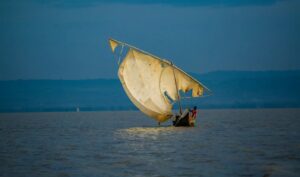
Lake Manyara itself is one of the most visually stunning features of the park. The lake’s alkaline waters support spectacular blooms of blue-green algae (cyanobacteria) that sustain both lesser and greater flamingos in their thousands. When conditions are right and the water levels are optimal, the lake’s shallows turn a deep, extraordinary pink — one of Africa’s most iconic wildlife photographs and a sight that never loses its power however many times you see it. The lake also supports large flocks of pelicans, storks, herons, and waterfowl, making the lakeshore one of East Africa’s finest birdwatching environments. Hippos and Nile crocodiles inhabit the deeper sections of the lake and the hippo pools near the park entrance — a particularly productive game viewing spot where large numbers of hippos rest in the cool water throughout the day. Boat safaris on the lake are available through selected operators and provide an unforgettable perspective on the birdlife and the dramatic escarpment backdrop.

3. The Groundwater Forest
— A Cathedral of Green.

The park’s northern sector is dominated by one of Tanzania’s finest groundwater forests — a dense, ancient jungle fed by springs seeping from the base of the Rift Valley escarpment. Entering the forest after the dry heat of the acacia woodland is a genuine sensory transformation: the temperature drops, the canopy closes overhead, and the air fills with birdsong and the movements of primates through the trees. Large troops of olive baboon and blue monkey inhabit the forest, often seen foraging at close range along the main track. Colobus monkeys — black and white and utterly spectacular — leap between the giant fig trees, and the forest floor is thick with undergrowth alive with birdlife.

The groundwater forest is also prime leopard territory. While sightings are naturally less predictable than some larger parks, the dense vegetation and abundant prey make Manyara’s forest one of Tanzania’s better locations for a chance encounter with one of Africa’s most elusive cats.

4. Outstanding Birdwatching
— Over 400 Species Recorded.

Lake Manyara National Park is a birder’s paradise and is widely regarded as one of Tanzania’s finest avian destinations. Over 400 bird species have been recorded within the park’s boundaries — a remarkable figure for a protected area of its size. Key species include the African fish eagle, saddle-billed stork, grey crowned crane, Eurasian roller, yellow-billed stork, and a dazzling variety of kingfisher, bee-eater, hornbill, and sunbird species. The groundwater forest zone is particularly productive for forest specialists, while the lakeshore and open grasslands deliver exceptional waterbird and raptor diversity. For dedicated birding safaris, Manyara is an essential inclusion on any Tanzania itinerary.

5. Large
Elephant Herds.

Lake Manyara supports a significant and well-habituated elephant population, and game drives through the park’s acacia woodland and groundwater forest regularly produce close-range encounters with herds of up to 50 or more individuals. Manyara’s elephants are among the most extensively studied in Africa — a long-term research project spanning several decades has documented their social structures, behaviours, and movements in extraordinary detail. The park’s elephants are notably relaxed in the presence of vehicles, making for exceptional photographic opportunities. It was in Manyara’s forests that the pioneering elephant researcher Iain Douglas-Hamilton conducted the research that fundamentally changed the world’s understanding of elephant intelligence and society.

The complete northern Tanzania experience. Seven days across Tarangire, Lake Manyara, the Serengeti, and Ngorongoro Crater, with guided game drives, expert naturalist guides, and accommodation ranging from tented camps to lodge comfort. From $ 2,520

6. Diverse
Ungulate Population.

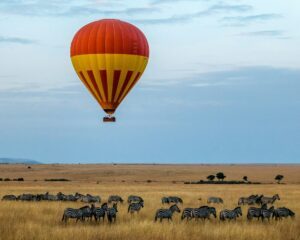
Beyond the elephants and lions, Lake Manyara supports a broad and varied herbivore community that makes game drives consistently rewarding throughout the year. Zebras, wildebeest, impala, waterbuck, giraffe, buffalo, and warthog are all reliably encountered in the park’s open woodland and grassland areas. The lakeshore margins attract particularly large concentrations of zebra and wildebeest during the dry season, when the grasslands between the acacia woodlands and the lake edge become a productive grazing area. Kirk’s dik-dik — one of Africa’s smallest and most charming antelopes — can often be spotted at the forest margins, typically in pairs.

Other Tourist Activities
at Lake Manyara National Park:

  • Night game drives (available through selected lodges inside or adjacent to the park).
  • Treetop walkway experiences at some lodge properties above the escarpment.
  • Mountain biking safaris along tracks above the escarpment rim.
  • Cultural visits to local Maasai and Iraqw communities near the park boundary.
  • Hot spring visits at Maji Moto, located at the park’s southern end.

When is the Best Time
to Visit Lake Manyara National Park?

Lake Manyara is a rewarding destination year-round, but the dry season months of June through October offer the finest overall game viewing — vegetation thins, animals concentrate around the lake and waterholes, and the tracks are in their best condition. The tree-climbing lions are most reliably encountered during this period, when the lions seek the shade and breeze of elevated positions in the midday heat.

The wet season months of November through May transform the park into a lush, green landscape of extraordinary beauty and bring the best conditions for birdwatching — migratory species arrive from the northern hemisphere, and the lake fills to support its largest flamingo populations. The short dry spell of January and February is also an excellent period for wildlife viewing, with lower tourist numbers than the main dry season.

Lake Manyara is most often visited as a half-day or full-day stop on the northern Tanzania circuit between Arusha and Ngorongoro — but for those who want to give the park the time it deserves, staying at one of the excellent lodges on the escarpment rim above the park allows for a full day of game drives, spectacular sunset views over the lake, and the possibility of a morning walk or cultural excursion.

Lake Manyara National Park is proof that some of Africa’s finest safari experiences come in compact packages. From the tree-climbing lions that have made it legendary among wildlife enthusiasts to the flamingo-painted lakeshore, the ancient groundwater forest, the magnificent elephant herds, and the sheer diversity of over 400 bird species — Manyara rewards every kind of traveller with moments of genuine wonder. Book a safari with us today and let Lake Manyara surprise you in all the best ways.

READY TO GO?

Begin
Your Journey

We are a Kenyan-based tour operator with over 11 years of experience planning holidays and offering affordable, tailor-made safaris across East Africa — crafted to suit our clients’ requirements and budget, with a personal touch that makes every journey feel truly cared for.

Your extraordinary is waiting.

Top Picks

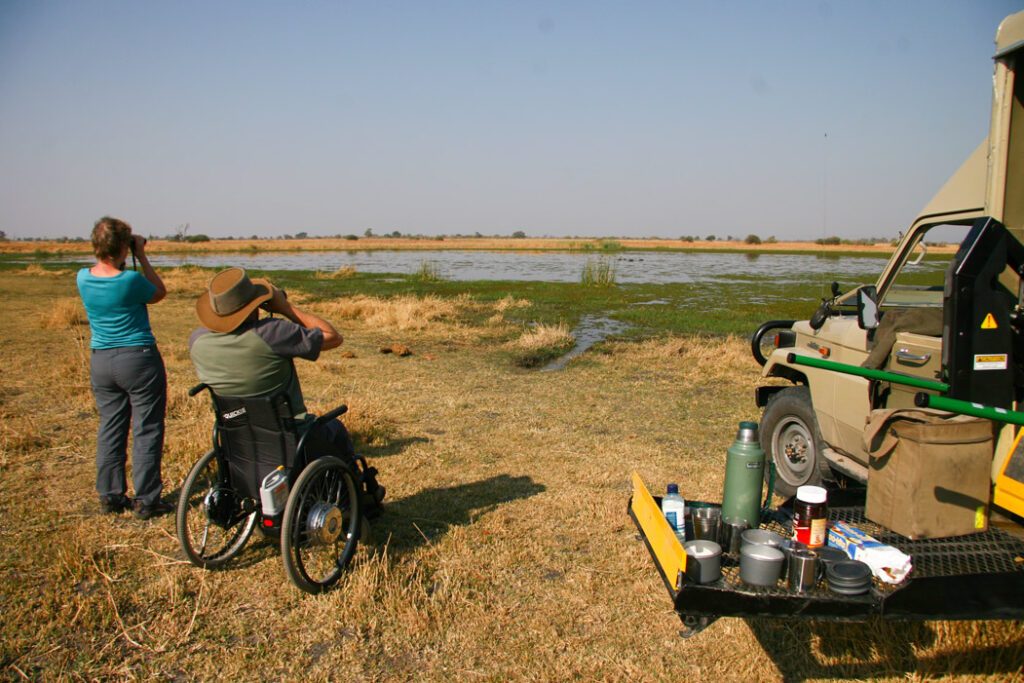
This unforgettable 13-day Kenyan adventure caters specifically to travelers with disabilities, offering a fully accessible exploration of the country's most breathtaking landscapes and wildlife.
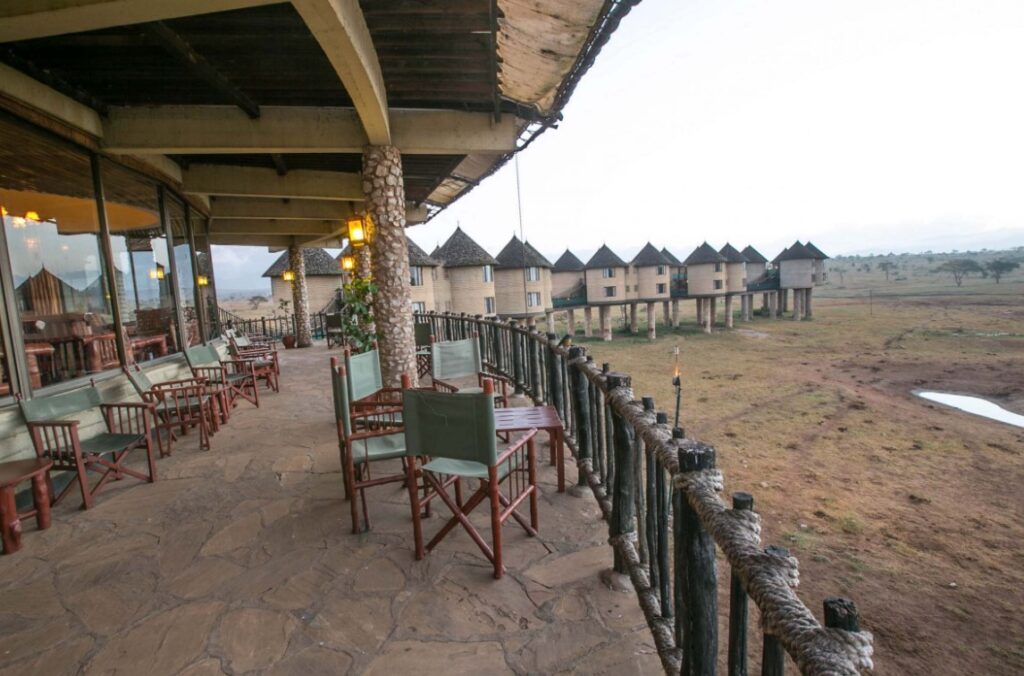
Embark on a captivating journey that blends the majesty of Kenya's wildlife with the idyllic beauty of its pristine beaches. This unforgettable Amboseli safari and...

Embark on a captivating journey that blends the majesty of Kenya's wildlife with the idyllic beauty of its pristine beaches. This unforgettable Amboseli safari and...

This exciting 6-day Kenyan adventure is designed specifically for travelers with disabilities, offering a fully accessible exploration of some of the country's most breathtaking national...

This unforgettable 9-day Kenyan adventure is specifically designed for travelers with disabilities, offering a fully accessible exploration of the country's most breathtaking wildlife destinations.

This unforgettable 7-day adventure takes you to Kenya's most popular wildlife destinations, showcasing the country's diverse and magnificent animal kingdom.

Testimonials

Travel Diaries.

Lost your password?