East Africa’s Most Enchanting Island Destination
The Spice Island That Seduces Every Traveller — And Why It Belongs at the End of Your East Africa Safari.
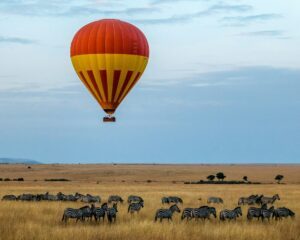
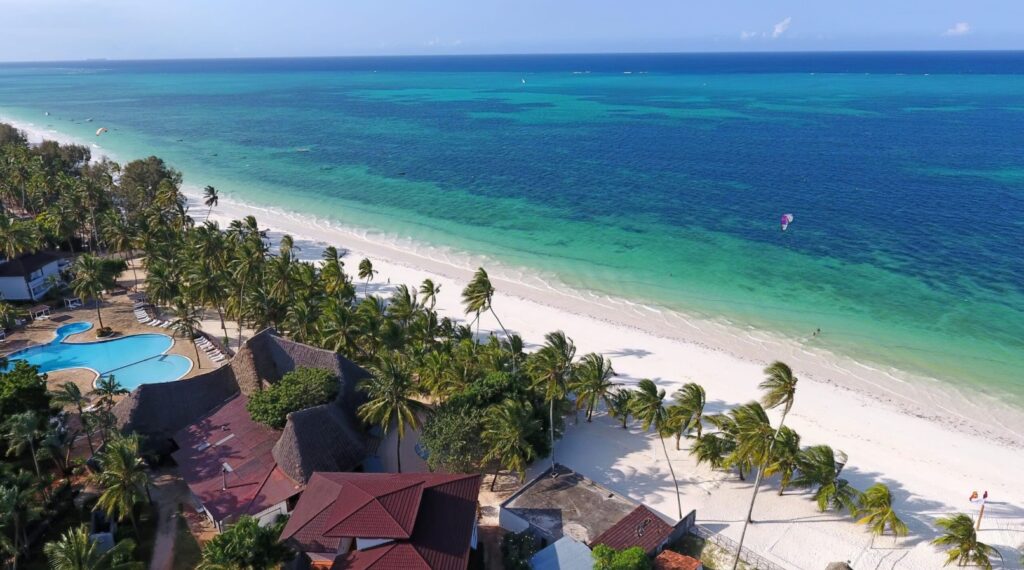
There is a particular kind of moment that only Zanzibar delivers. You have spent the last ten days watching lion hunts unfold across the Serengeti at dawn, standing inside the volcanic bowl of Ngorongoro Crater as the mist burns away to reveal ten thousand animals below, and tracking elephant herds through Tarangire’s ancient baobab forests. Your senses have been fully alive in the way that only Africa manages. And then the small propeller plane banks over the Indian Ocean and the island materialises below — a luminous strip of white sand edged by water so many shades of turquoise it seems digitally enhanced. You land. The warm, clove-scented air hits you. And something in you quietly exhales.
This is Zanzibar. And there is nowhere in East Africa — perhaps nowhere in the world — quite like it.
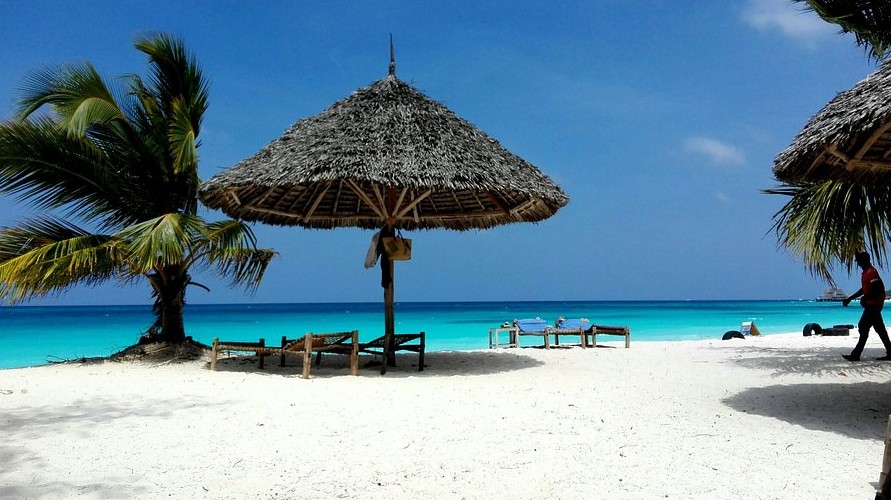
Also known as the Spice Island, the beautiful island of Zanzibar is full of culture and history, with shining white-sand beaches and palms swaying in the sea breeze, together making it a fabulous place to explore as well as a dream destination in which to relax and unwind. For over a decade, Umani Bliss Safaris has been pairing Tanzania’s greatest wildlife experiences with Zanzibar beach extensions — and every single client who has made that combination has told us it was the perfect ending to the journey of their lifetime. This is everything you need to know about Zanzibar before you go.
Zanzibar is a semi-autonomous part of Tanzania in East Africa. It is composed of the Zanzibar Archipelago in the Indian Ocean, 25 to 50 kilometres off the coast of the mainland, and consists of many small islands and two large ones: Unguja — the main island, referred to informally as Zanzibar — and Pemba.
When most travellers say Zanzibar, they mean Unguja — the main island where the majority of beaches, resorts, cultural sites, and experiences are concentrated. The stunning East African archipelago of Zanzibar is a bucket list destination you won’t want to miss when you visit Africa, with so many things to do that you will be planning your next visit before you have finished your first.
The island’s character is unlike anywhere else in Africa. Centuries of Arab, Persian, Indian, Portuguese, Omani, and British influence have layered themselves onto the indigenous Swahili culture to produce something genuinely unique — an island that smells of cloves and cardamom, where carved wooden doors tell stories of merchant dynasties, where the call to prayer echoes over beach bars serving fresh lobster, and where the Indian Ocean turns a different shade of extraordinary at every hour of the day.
Planning Africa
Private Safaris Since 2010
The complete northern Tanzania experience — combining the wildlife riches of Tarangire, Lake Manyara, the Serengeti, and Ngorongoro with the iconic backdrop of Kilimanjaro. From $2,520
No visit to Zanzibar begins anywhere other than Stone Town. The historic centre, Stone Town, is a UNESCO World Heritage Site that showcases a fascinating mix of Arab, Persian, Indian, and European influences through its architecture, culture, and food. Locally known as “Mji Mkongwe” — Old Town — Stone Town is characterised by its narrow labyrinthine streets, intricately carved wooden doors, and coral stone buildings that tell stories of a rich trading past.
Walking Stone Town is one of the most sensory experiences in East Africa. There is no map adequate for its maze of alleys — and that is precisely the point. Allow yourself to get lost. Follow the smell of frying mishkaki from a street food cart. Duck through a doorway to find a courtyard where laundry dries above a carved fountain. Round a corner to find the blue waters of the harbour framed between centuries-old walls. Every alley reveals something.
The major landmarks anchor the wandering. The Old Arab Fort — the oldest building in Stone Town — originally served to protect the settlement from attack and was later converted into a prison, but now is a popular tourist attraction and event space. The former Sultan’s Palace, now the Palace Museum, traces Zanzibar’s Omani sultanate history through furniture, photographs, and royal artefacts. The House of Wonders — the first building in East Africa to have electric lighting and an elevator — stands as one of the most architecturally striking structures in the entire Indian Ocean region.
And then there is Forodhani Gardens. Every night from 7pm, the night market comes alive with sizzling grills, the scent of spices, and crowds of locals and tourists. The legendary Zanzibar pizza — a thin crepe filled with minced meat, egg, and cheese — is the undisputed signature dish, and fresh sugarcane juice pressed at the cart is the only drink that makes sense alongside it. Budget travellers and luxury guests alike stand at the same plastic tables, eating the same extraordinary food, completely equal before the Indian Ocean breeze.
What separates Zanzibar from almost every other Indian Ocean island destination is the sheer variety of its coastline. Zanzibar has such a diverse coastline that there are plenty of different experiences across the main island, from vibrant culture in the south to idyllic barefoot luxury in the north. Understanding the island’s different coastal personalities helps you choose exactly the right base for your stay.
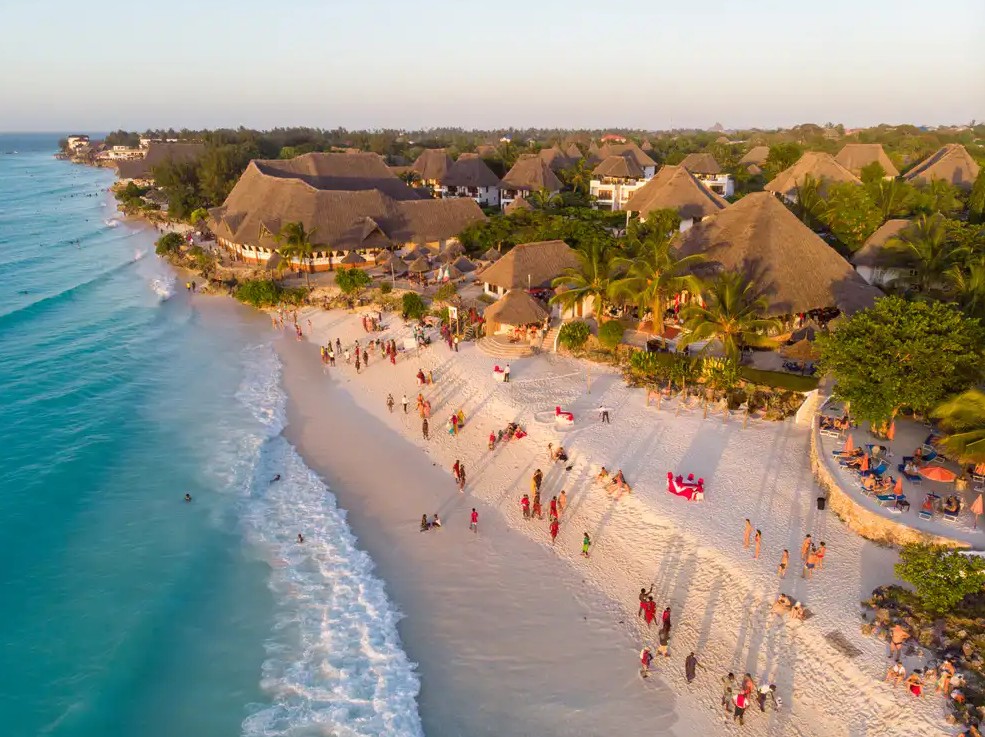
The northern tip of Zanzibar is where the island’s most celebrated beach experiences converge. Celebrated as among the best beaches in Africa, Kendwa is a destination that captivates with its powdery white sands, clear turquoise waters, and breathtaking sunsets. Unlike much of Zanzibar’s coastline, Kendwa and Nungwi are minimally affected by tidal variation — meaning you can swim at any hour of the day, which makes them the preferred choice for visitors prioritising beach time above all else. Nungwi’s famous full moon parties draw travellers from across the island every month. By day, the beach is lined with traditional dhow builders who have been crafting the iconic wooden sailing vessels here for generations.
Paje Beach is a dreamy tropical spot with a relaxed vibe located on the southeast coast of the island. If you can tear yourself away from relaxing on this fantastic beach, then why not try your hand at kitesurfing or scuba diving, which are both offered there. Paje is Zanzibar’s kitesurfing capital — the consistent south-easterly trade wind that blows along this stretch of coast from June to October creates near-perfect conditions for the sport. On the eastern coast of southern Zanzibar, Jambiani Beach is considered one of the loveliest beaches on the island. Its white, powdery sands and clear waters make it great for relaxing and swimming. Both beaches have a distinctly laid-back, bohemian character — boutique guesthouses, yoga retreats, and seafood restaurants dominate over the large resort hotels that characterise the north.
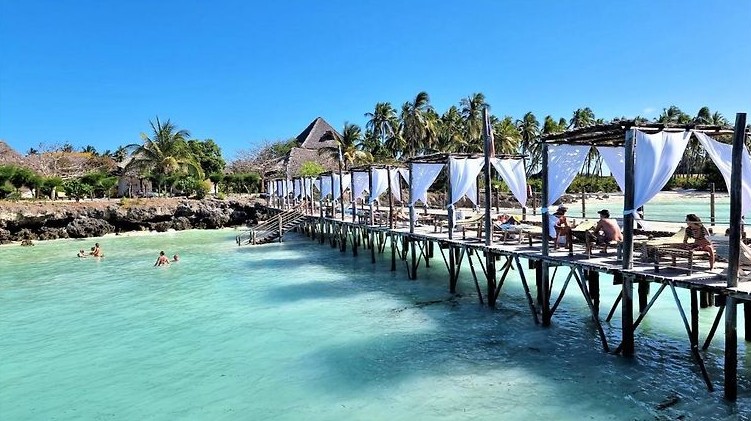
Most of Zanzibar’s top-end accommodation is set on the north-east beaches. The diving is excellent here, there’s not much tidal variation, and the archipelago’s best reefs of Mnemba Island lie about a kilometre offshore. This is the coast for discerning honeymooners and luxury seekers — smaller, quieter, and backed by some of the island’s finest boutique lodges. The reef just off Matemwe offers some of the best shore diving on the island, and the water clarity on calm mornings is extraordinary.
Long before the beaches drew the world’s travellers, it was the spices that put Zanzibar on the map. During the 19th century, Zanzibar was the world’s largest producer of cloves — a trade that made the Omani sultans extraordinarily wealthy and gave the island its enduring nickname: the Spice Island.
The Spice Tour gives the opportunity to head out into live plantations to see, touch, and taste Zanzibar’s many spices in their natural environment. Some of the exotic flavours include cloves, vanilla, nutmeg, cinnamon, and other spices that have made the island famous. A good spice tour — ideally one that takes you to working farms in the Kizimbani or Kidichi areas rather than tourist-stage plantations — is genuinely revelatory. Seeing vanilla pods growing on climbing orchid vines, smelling fresh nutmeg split open to reveal the brilliant red mace inside, chewing a cardamom seed directly from the pod: these are experiences that change how you understand the history of global trade.
The best spice tours combine the plantation visit with a home-cooked Swahili lunch prepared using the spices you’ve just encountered — the most direct culinary education available anywhere on the island.
The island is heaven for water sports activities such as swimming, snorkelling, diving with lots of luminous fish or just gazing over nearby coral gardens and pods of dolphins that frolic offshore.
A tiny island about a kilometre north-east from Zanzibar Island, Mnemba is vintage beach paradise. The reefs just offshore provide excellent snorkelling and diving spots, and the island is also a nesting site for the endangered green turtle. Although Mnemba Island is privately owned, the reef is open to everyone and is a popular day excursion from Zanzibar. The Mnemba Atoll Marine Conservation Area protects some of the healthiest coral reef systems in the western Indian Ocean — hawksbill turtles, spinner dolphins, moray eels, octopus, and a dazzling diversity of reef fish are encountered on virtually every dive.
The shallow bays around Kizimkazi on Zanzibar’s southern tip are home to resident populations of Indo-Pacific bottlenose and humpback dolphins. Morning boat trips to swim alongside them are one of the island’s most popular activities. Choose operators who follow responsible dolphin interaction guidelines — maintaining distance and allowing the dolphins to approach of their own accord produces infinitely more rewarding encounters than boats that chase the animals.
A short 20-minute dhow ride from Stone Town, Prison Island — originally built as a holding facility for slaves and later used as a quarantine station — is now home to one of Zanzibar’s most charming attractions: a sanctuary for Aldabra giant tortoises, some of which are over 100 years old. Feeding them from your hand, watching these ancient creatures move with slow, deliberate gravity across the island’s coral stone grounds, and exploring the crumbling quarantine buildings against a backdrop of turquoise sea is a perfect half-day experience from Stone Town.
Inland from the east coast, Jozani-Chwaka Bay National Park protects Zanzibar’s last indigenous forest and is the only place on Earth where the critically endangered Kirk’s red colobus monkey can be found. These striking primates — rust-red, white-fringed, and completely habituated to human visitors — move through the forest canopy in family groups of 30 or more, utterly unperturbed by observers below. The forest also shelters Zanzibar leopards (extremely rarely seen), bushbabies, Ader’s duiker, and an exceptional variety of butterflies and birds. A boardwalk trail through the adjacent mangrove ecosystem completes an outstanding nature morning.
The food culture of Zanzibar is one of the most compelling reasons to spend longer on the island than your first instincts suggest. The Swahili kitchen — built on a foundation of coconut milk, tamarind, cardamom, and fresh Indian Ocean seafood — produces dishes of extraordinary complexity and warmth.
Pilau rice, slow-cooked with whole spices and served with coconut-braised beef, is the island’s ceremonial dish — made for weddings, Eid celebrations, and honoured guests. Urojo — the famous Zanzibar mix soup, a tangy, turmeric-yellow broth loaded with cassava, potato bhajia, mango, and crispy gram flour fritters — is the street food the whole island wakes up to. Fresh grilled lobster, caught the night before and simply prepared with garlic and lime, costs a fraction of what you would pay for an inferior version anywhere in the Western world.
Forodhani Gardens night market remains the definitive Zanzibar food experience for the spontaneous eater. For those who want to understand the cuisine more deeply, a Swahili cooking class — typically conducted in a local home or community kitchen — spends a morning visiting the spice market and an afternoon producing a full traditional meal from scratch. It is, without question, one of the most enriching half-days available anywhere on the island.
This incredible 15-day East African adventure is the ultimate wildlife odyssey, uniting three countries and offering a blend of classic safari game viewing with the profound experience of gorilla trekking. From USD5,000.00
As the afternoon light turns golden and the trade wind gentles to a warm breath, there is one experience that defines Zanzibar above all others for first-time visitors: the sunset dhow cruise. Traditional Swahili sailing vessels — hand-built from the same mangrove poles and cotton sail designs used for centuries — glide out of Stone Town harbour as the sun descends over the African mainland on the western horizon.
The Indian Ocean turns copper, then salmon, then deep rose. Stone Town’s old harbour skyline silhouettes against the colours. Fresh fruit and cold drinks are served on the deck. Someone plays a taarab melody on a portable speaker. The sound of it — the Arabic-influenced Swahili music that is Zanzibar’s own — completes the scene in a way that no description fully does justice. This is the moment that Zanzibar travellers describe for years afterward. Not the beach, not the diving, not even the Stone Town labyrinth. The moment on the dhow when the sun went down.
Zanzibar is a year-round destination with two peak seasons and one period to plan around:
June to October — The Long Dry Season. The finest overall period for visiting. Reliably clear skies, warm temperatures, calm seas, and excellent conditions for diving and snorkelling. This window perfectly aligns with Tanzania’s peak safari season, making it the ideal time for the classic combination of northern circuit safari followed by a Zanzibar beach extension.
December to February — The Short Dry Season. The hot, dry season with temperatures up to 33°C, perfect for beach activities, but can be quite humid. January and February offer some of the clearest water conditions of the year and are excellent for diving around Mnemba Atoll. This period also aligns with Kilimanjaro’s best climbing window — a natural three-part itinerary of safari, summit, and beach.
March to May — The Long Rains. The only period to genuinely reconsider visiting unless you have a specific reason. Persistent heavy rains, rough seas, and limited visibility for water activities make this the island’s low season. Some lodges close entirely during April and May.
November — The Short Rains. Brief afternoon showers that don’t typically disrupt travel plans. Accommodation prices drop, crowds thin, and the island’s vegetation turns lush and vivid. A viable option for budget-conscious travellers who don’t mind occasional afternoon rain.
For clients travelling with Umani Bliss Safaris on a Kenya and Tanzania combination itinerary, Zanzibar is the natural final chapter. After your mainland Tanzania safari — whether that takes you through Tarangire, the Serengeti, and Ngorongoro Crater on our 5-day or 7-day northern circuit packages — a short domestic flight from Arusha or Kilimanjaro International Airport delivers you to Zanzibar’s Abeid Amani Karume International Airport in approximately one hour. No international flight connections, no transiting through Dar es Salaam, no wasted travel time.
For clients coming directly from Kenya, there are daily flights from Jomo Kenyatta International Airport in Nairobi to Zanzibar via Nairobi or Dar es Salaam, with journey times of approximately 2–3 hours. Umani Bliss handles all flight connections, airport transfers, and inter-island logistics as part of every combined package — arriving in Zanzibar is seamless, and your first Swahili welcome from your resort team is the only thing standing between you and the beach.
Seven days give you enough time to visit the different parts of the island, explore its top attractions, and do some of the water activities. If you want a slower pace and more time to relax on the wonderful beaches, extending your stay to 10 days is ideal.
For most Umani Bliss clients combining Zanzibar with a mainland Tanzania safari, we recommend a minimum of five nights — enough time for two days in or near Stone Town (covering the old town itself, a spice tour, a dhow sunset cruise, and Prison Island), followed by three nights at a beach resort on the north or north-east coast. Those with a week or more can incorporate the East Coast’s kitesurfing beaches, a day trip to Jozani Forest for the red colobus monkeys, and a dive or snorkel day at Mnemba Atoll.
For honeymooners and anniversary travellers, seven to ten nights allows the kind of unhurried, deeply restorative experience that Zanzibar is genuinely built for — splitting time between the cultural richness of Stone Town and the barefoot luxury of a boutique lodge on the north-east coast.
The most consistently beloved itinerary that Umani Bliss Safaris sells year after year brings together the greatest wildlife spectacle on the African continent with the Indian Ocean’s most enchanting island destination. A 10 to 14-day journey might take you from the Masai Mara in Kenya — where the Great Migration thunders across the Mara River — south through Amboseli with Kilimanjaro rising on the horizon, across the Namanga border into Tanzania for Tarangire and the Serengeti, then on to Ngorongoro Crater before a final flight to Zanzibar for five days of complete island immersion.
This is the East Africa that changes how you see the world. And Zanzibar is the perfect full stop at the end of the sentence.
With over 11 years of experience crafting Kenya and Tanzania safari itineraries, Umani Bliss Safaris designs every Zanzibar experience around the individual traveller — whether you are a couple seeking a honeymoon beach extension after your safari, a family wanting a cultural immersion for children, a solo adventurer ready to dive the Mnemba Atoll, or a group of friends looking for the combination of Stone Town nights and Nungwi sunsets.
We handle all Tanzania visa documentation, all flight connections, all airport transfers, all accommodation selection across every budget tier from boutique guesthouses to five-star beachfront resorts, and every activity booking on the island. You arrive. You exhale. We take care of the rest.
This unforgettable 13-day Kenyan adventure caters specifically to travelers with disabilities, offering a fully accessible exploration of the country's most breathtaking landscapes and wildlife.
Embark on a captivating journey that blends the majesty of Kenya's wildlife with the idyllic beauty of its pristine beaches. This unforgettable Amboseli safari and...
This exciting 6-day Kenyan adventure is designed specifically for travelers with disabilities, offering a fully accessible exploration of some of the country's most breathtaking national...
This unforgettable 9-day Kenyan adventure is specifically designed for travelers with disabilities, offering a fully accessible exploration of the country's most breathtaking wildlife destinations.
This unforgettable 7-day adventure takes you to Kenya's most popular wildlife destinations, showcasing the country's diverse and magnificent animal kingdom.
Posted on Steve RVerified Could not have been better!! We arrived in Nairobi confused and not really sure what to expect but were met at the airport by Eunice who had organised a driver to take us to our accommodation and proceeded over the next day until we stated our Safari to assist us better than we could ever have hoped. Eunice got us to our Yellow Fever injections, which were a fraction of the cost in the UK, helped us occupy our day in Nairobi and, most importantly, organised our Safari guide for Kenya, John who was incredible. The only mistake we made was organising our accommodation in Nairobi as Eunice would have definitely found us something much better! Our Africa experience could not have got off to a better start and that was thanks to Eunice and Umani Bliss Safari's and we could not be more grateful.Posted on dionne eVerified Loved the Motherland!! First of all, the host is really great. We were an hour and a half away from the meet up spot and she helped me arrange a ride in Diani. Once there the driver explained the whole history of all the sites along the way. It was very very enlightening and taught us about the culture. So I read the reviews myself before booking. i was kind of leery because it said I wouldn't see dolphins. I didn't but I understand. It's not like it's a contained space you're literally out in the ocean. It's actually a marina park where you hope to see dolphins. And there's so many boats they probably scare them away. But overall, the excursion was good. I'd get on a bigger boat next time my husband got seasick, but we had the boat ride although the waters were chilly there was great because Unfortunately, the boat ride was somewhat choppy. My husband got seasick. But I enjoyed the snorkeling. One person elected to go diving she had never been in the guy who taught her and went out with her was excellent. The guide on our boat was excellent. Helped everybody in the water when snorkeling he helped take pictures of me. Overall it was a good experience. I will say don't pay for the shrimp and crab when you get on the island there itty-bitty. But the island folks are very Welcoming. The food was pretty good. Be careful going back down to the boat. Make sure to wear water shoes.Posted on Klaus MVerified The best travle agency for Kenya and Tanzania Umani Bliss Safaris, made the best experiance for our family, including our kids 3 and 10 years old. We had a warm welcoming at the airport in Nairobi, with an amazing information about our trip. Feeling so seen, and serious of everything. Made the most fantastic trip from Nairobi to Naivasha for two days, back to Nairobi and a 5 hour drive to Masai Mara for 5 days enjoying all aspects of the most amazing safari including 5 star service all the way. We will be back for great adventures at Mombasa / Lamu and Diani this winter, Next year we have booked our trip also to Tanzania and Zanzibar for a great beach vacation. I will at all times recommend Umani Bliss Safaris for all imanigable trips in Kenya and Tanzania The best travle and most professional agency in my opinion. Best regards Klaus Malmgren
Travel Further For Unforgettable Experiences.