THE

10 Great Lakes Of Kenya With
Breathtaking Wonders.

Kenya is a land of staggering contrasts — snow-capped peaks rising above equatorial plains, savannahs that stretch to the horizon, and a coastline kissed by the warm Indian Ocean. Yet among all its wonders, Kenya’s lakes stand apart as some of the most spectacular and ecologically diverse on the entire African continent. From the jade-green expanse of the world’s largest desert lake to the flamingo-fringed shores of the Great Rift Valley, Kenya’s ten great lakes are a journey into the extraordinary.

Here is your definitive guide to the 10 Great Lakes of Kenya, and why each one deserves a place on your bucket list.

1

Lake Turkana
— The Jade Sea

Location: Northern Kenya, Turkana County Size: ~6,405 km² (world’s largest permanent desert lake) Type: Alkaline/saline UNESCO Status: World Heritage Site

Quick Facts

  • Nicknamed “The Jade Sea” for its distinctive jade-green colour caused by algae bloom
  • The world’s largest permanent desert lake and the world’s largest alkaline lake
  • Bordered by Ethiopia to the north and fed primarily by the Omo River
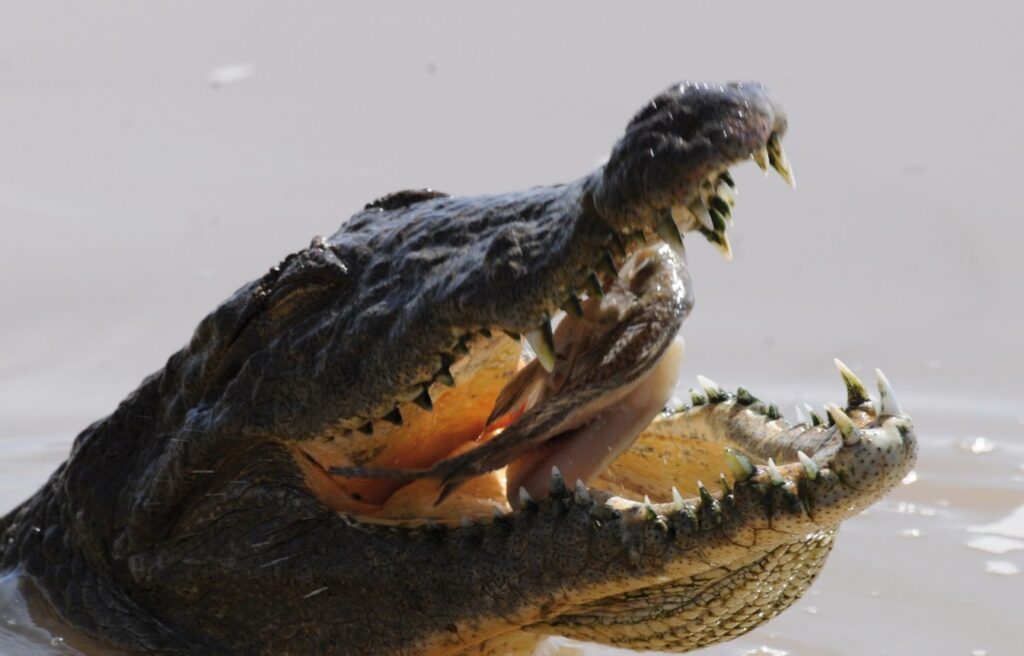
  • Home to the world’s largest Nile crocodile population
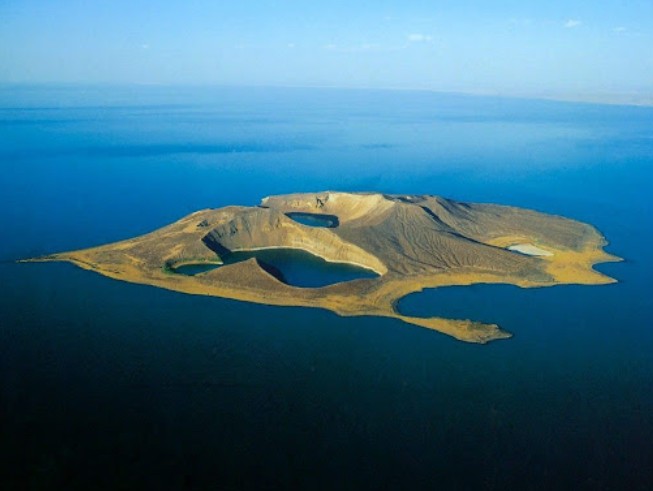
  • Central Island National Park — a UNESCO World Heritage Site — sits within the lake
  • Archaeological site of Koobi Fora within the lake’s vicinity has yielded some of the most significant early human fossil discoveries on Earth

About the Lake

Lake Turkana is one of Kenya’s most remote and hauntingly beautiful destinations — a vast, shimmering expanse of mineral-rich water that seems to materialise out of nowhere amidst the scorched volcanic landscape of the Northern Frontier. Stretching over 290 kilometres in length and up to 44 kilometres wide, it is an awe-inspiring geological marvel that has existed for approximately 4 million years. The lake’s signature jade-green colouration, most vivid from the air or at sunrise, is caused by the proliferation of blue-green algae (cyanobacteria) that thrive in its alkaline waters — a colour so surreal it seems almost painted by hand.

Beyond its visual drama, Lake Turkana is an archaeological crown jewel. The Koobi Fora region along its eastern shores has produced some of the most important early hominid fossils ever discovered. Central Island, a still-active volcanic island in the middle of the lake, hosts three crater lakes and is one of the most important breeding grounds for Nile crocodiles on the planet. The lake is also a critical stopover for migratory birds, and the surrounding landscape — ancient lava flows, jade water, towering volcanic cones — creates a landscape unlike anything else in East Africa.

Lake Turkana
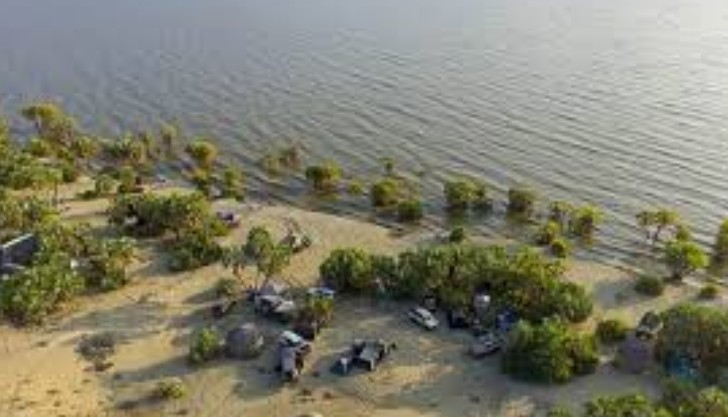
A villake on the shores of Lake Turkana
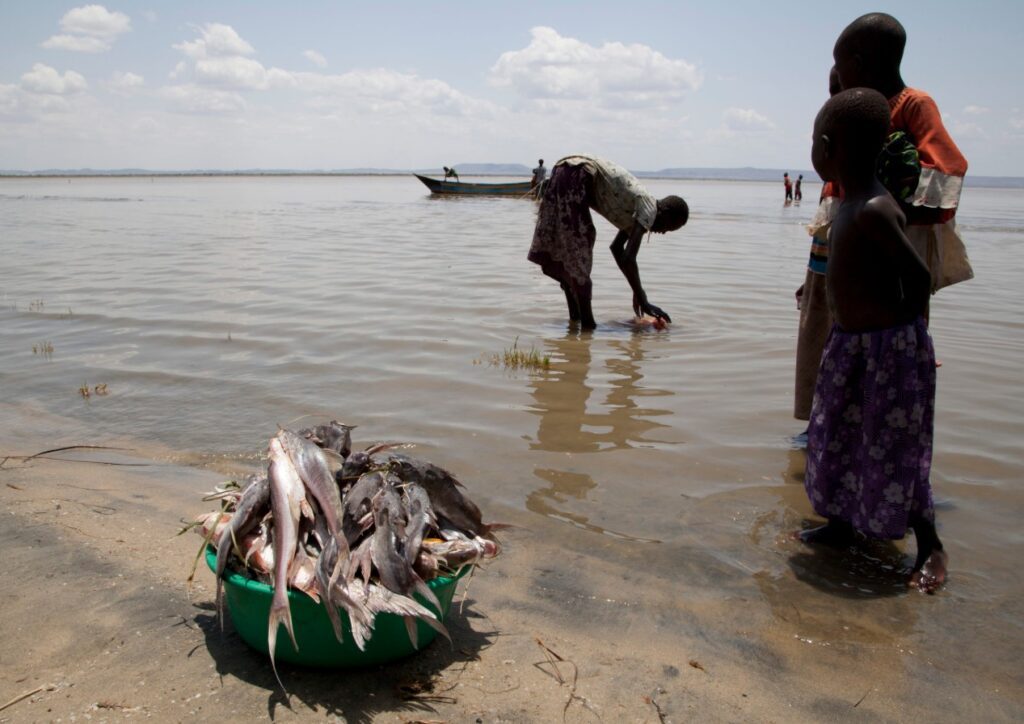
Lake Turkana fishermen

Umani Bliss Safaris

Planning Africa
Private Safaris Since 2010

Lake Victoria
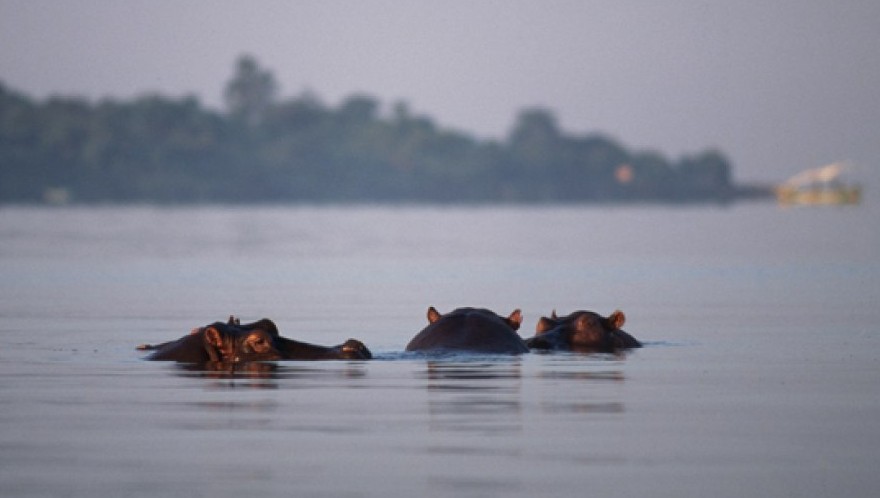
Lake Victoria hippos
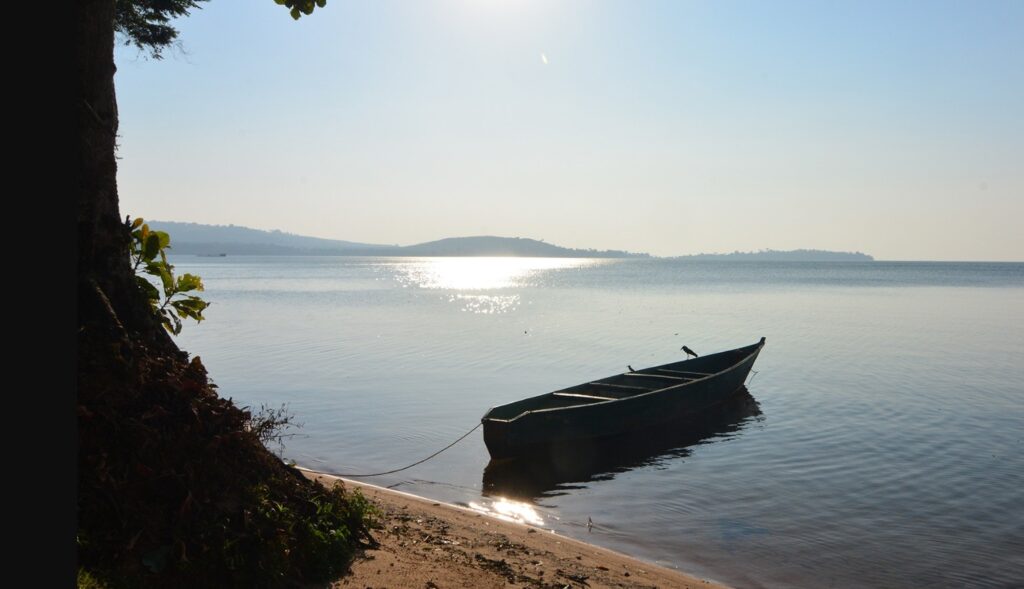
Lake Victoria Shore With A Fishing Boat
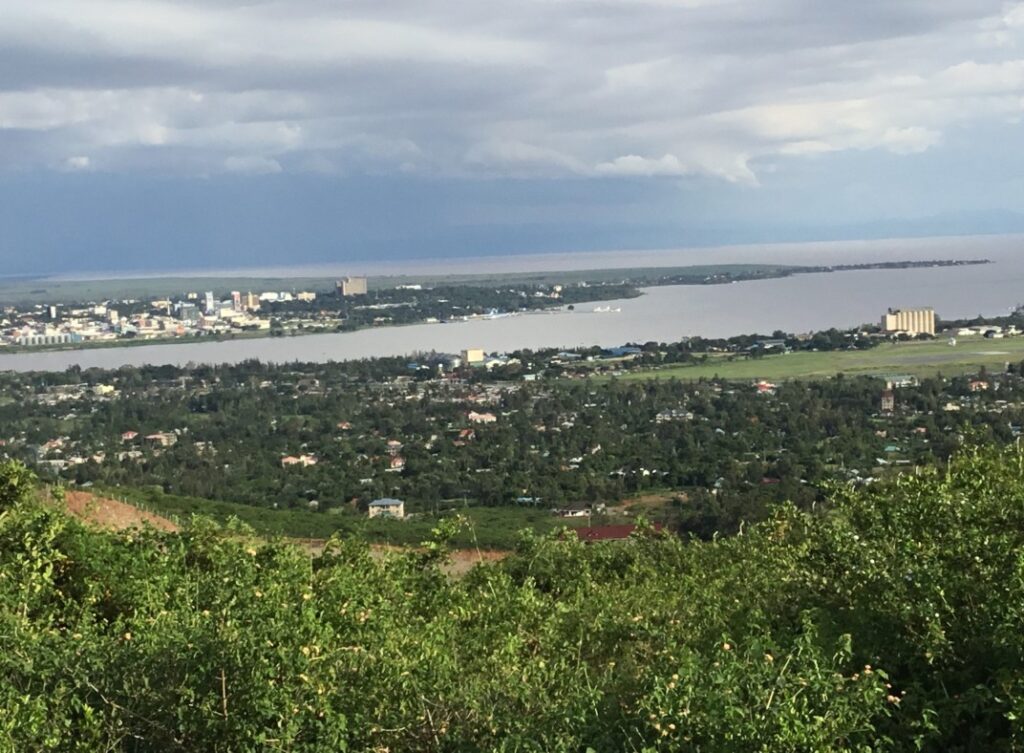
Lake Victoria Kisumu Town

2

Lake Victoria
— The Inland Sea

ocation: Western Kenya (shared with Uganda and Tanzania) Size: ~68,800 km² (Kenya holds approximately 6% of the lake) Type: Freshwater UNESCO Status: Ramsar Wetland

Quick Facts

  • The largest lake in Africa and the world’s second-largest freshwater lake by surface area
  • Shared between Kenya, Uganda, and Tanzania
  • Source of the White Nile, one of the longest rivers in the world
  • Supports approximately 40 million people across three countries
  • Home to the famous Nile perch — introduced in the 1950s and now one of the world’s largest freshwater fish
  • Kisumu, Kenya’s third-largest city, sits on its shores

About the Lake

Lake Victoria is so vast — over 68,000 square kilometres of open water — that it creates its own weather systems, with violent afternoon storms rolling across its surface without warning. In Kenya, the lake is approached through Kisumu, a vibrant lakeside city that serves as the commercial and cultural heart of western Kenya. From Kisumu’s waterfront, the lake stretches endlessly into the horizon, giving the impression not of a lake but of an ocean — a freshwater sea teeming with life, colour, and the sounds of fishermen launching their wooden boats before dawn.

The Kenyan shores of Lake Victoria are flanked by the Lambwe Valley, hippo-dotted bays, and the Impala Sanctuary, where Kenya Wildlife Service protects one of the few remaining impala herds in the region. Boat safaris on the lake offer extraordinary birdwatching — the grey-crowned crane, African fish eagle, and rare shoebill stork are among the hundreds of species recorded here. The lake’s biodiversity, though significantly altered since the introduction of the Nile perch, remains extraordinary, with over 200 endemic cichlid fish species still surviving in its depths. For the culturally curious traveller, the fishing communities along the Kenyan shore offer an authentic, unhurried window into one of Africa’s oldest ways of life.

3

Lake Naivasha
— The Freshwater Jewel

Location: Naivasha, Rift Valley Province Size: ~139 km² Type: Freshwater UNESCO Status: Ramsar Wetland

Quick Facts

  • The highest of the Rift Valley lakes, sitting at 1,884 metres above sea level
  • One of the very few freshwater lakes in the Rift Valley
  • Largest floating island ecosystem in Kenya — Crescent Island
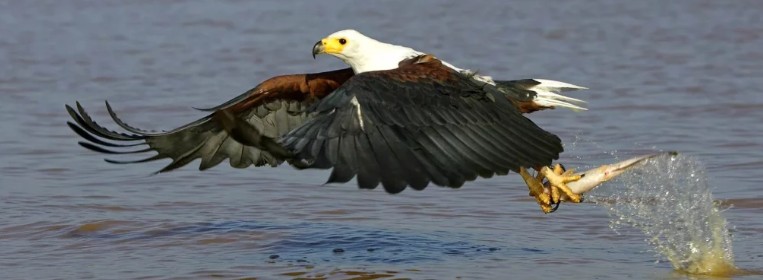
  • Supports over 400 bird species, including the iconic African fish eagle
  • Home to one of Kenya’s largest hippo populations
  • Surrounded by flower farms that supply a significant portion of Europe’s cut flowers

About the Lake

Lake Naivasha sits at the heart of Kenya’s most accessible stretch of the Great Rift Valley, just ninety kilometres northwest of Nairobi, yet it feels like a world entirely removed from the city’s pace. Framed by dense papyrus reeds, fever trees draped in yellow bark, and the distant silhouette of Mount Longonot, the lake is a sanctuary of extraordinary calm. Its freshwater nature — rare among the Rift Valley lakes — supports a lush, green ecosystem that contrasts dramatically with the arid terrain surrounding many of its sister lakes. Boat rides at dawn or dusk offer some of East Africa’s finest wildlife encounters: hippos yawning at the water’s edge, families of colobus monkeys swinging through fever tree canopies, and the unmistakable cry of the African fish eagle echoing across the water.

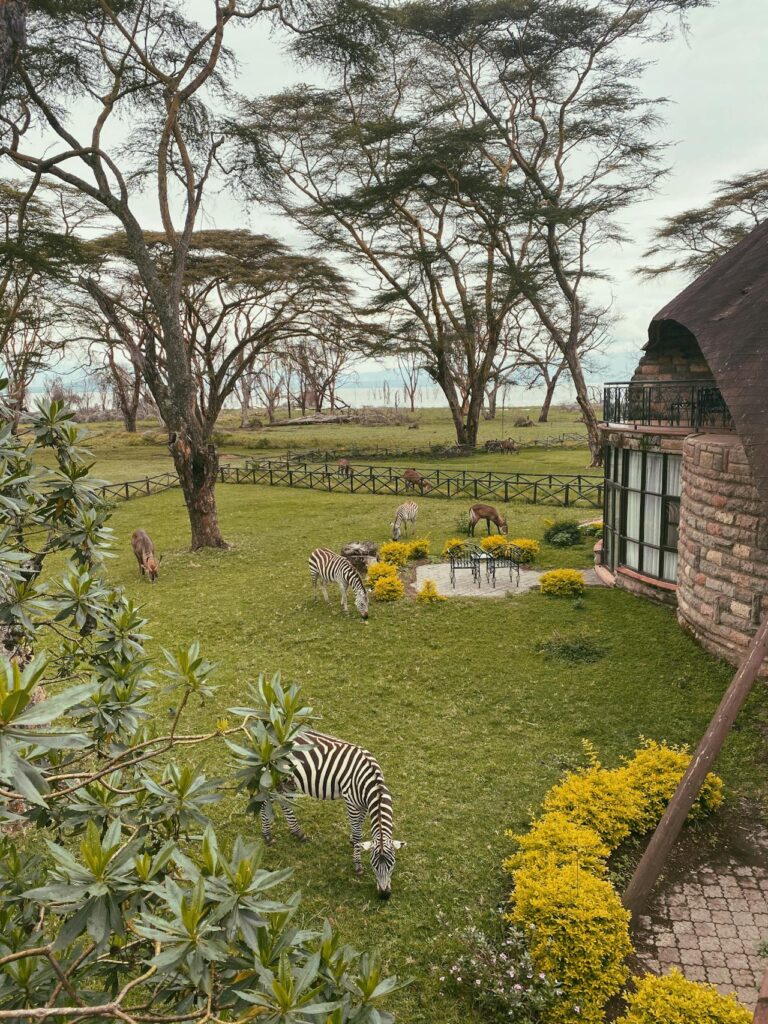
Crescent Island, a privately owned game sanctuary and one of Africa’s largest floating islands, offers an extraordinary walk-with-wildlife experience — the only place in Kenya where visitors can stroll freely among herds of wildebeest, zebra, giraffe, and gazelle without the barrier of a vehicle. Hell’s Gate National Park, a dramatic gorge carved from ancient volcanic activity, sits immediately adjacent to the lake’s southern shore and can be explored on foot or by bicycle. Lake Naivasha is the perfect first immersion into Kenya’s Rift Valley — accessible, astonishingly beautiful, and endlessly rewarding.

Tourists in Lake Naivasha
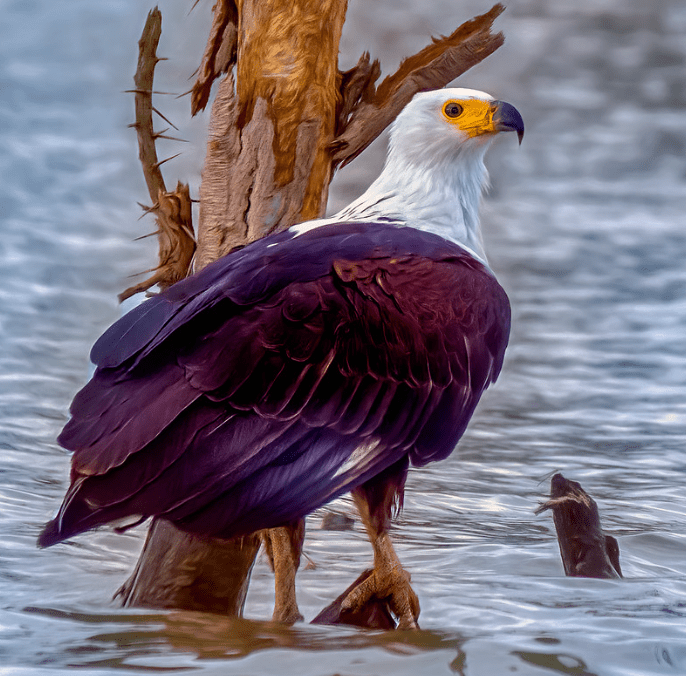
African Fish Eagle Lake Naivasha
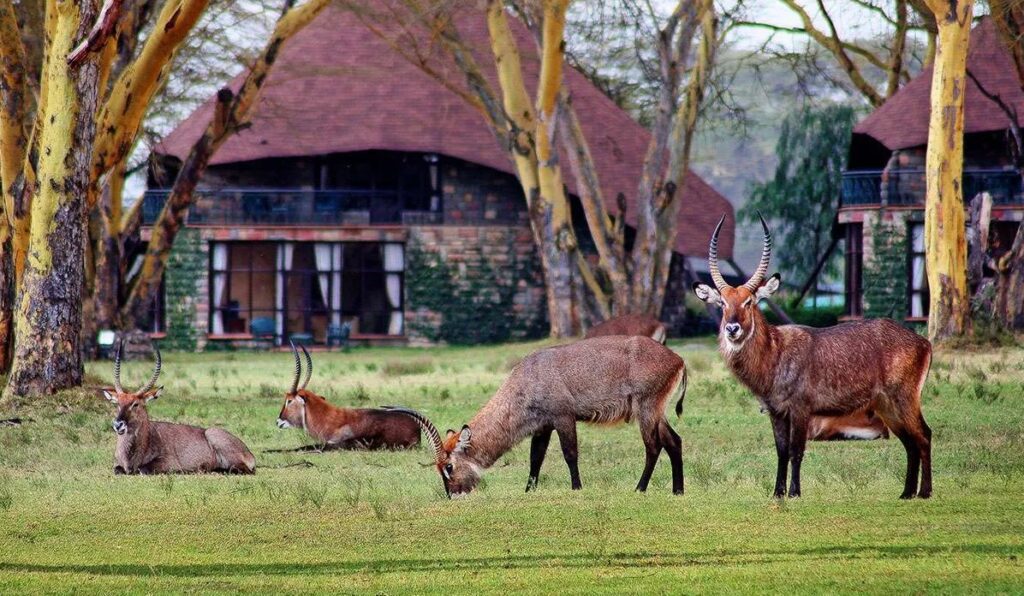
Naivasha Sopa lodge
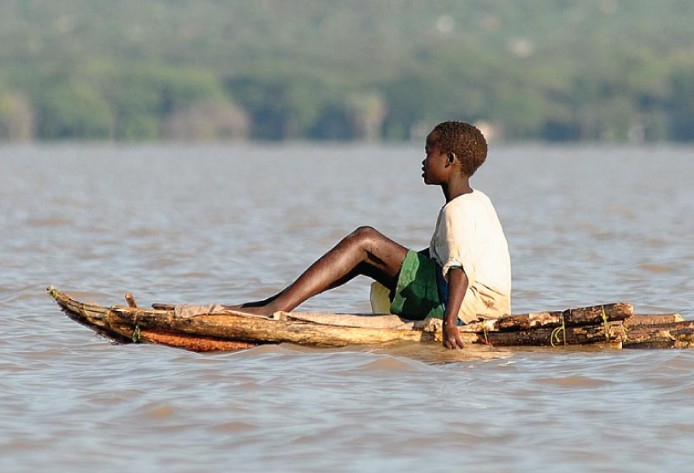
Child on a boat in Lake Baringo
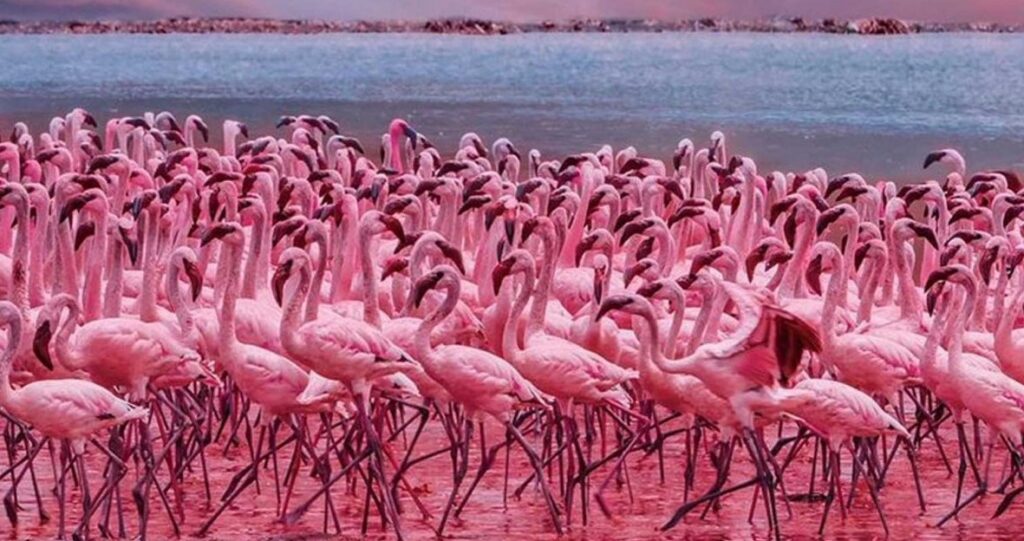
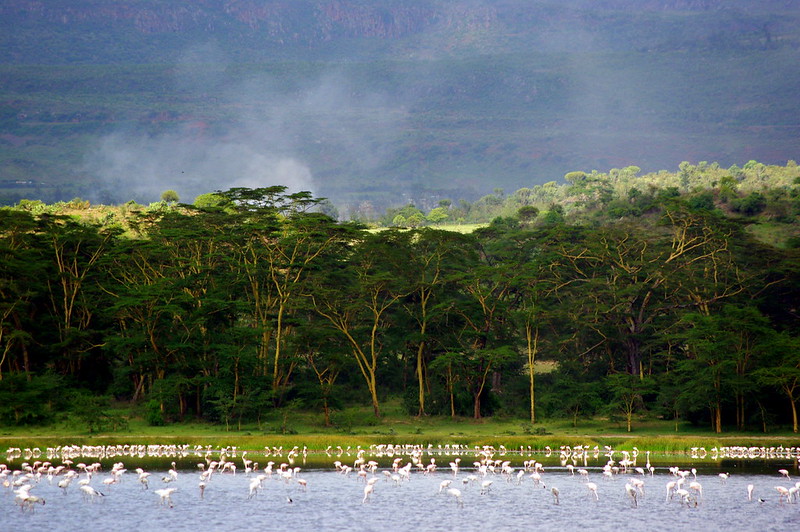
Lake baringo Flamingos

4

Lake Baringo
— The Bird Lake

Location: Baringo County, Rift Valley Size: ~130 km² Type: Freshwater UNESCO Status: Ramsar Wetland

Quick Facts

  • One of only two freshwater lakes in the Kenyan Rift Valley (alongside Naivasha)
  • Home to over 470 recorded bird species — more than half of Kenya’s total avifauna
  • Hosts one of Africa’s largest populations of Goliath herons
  • The lake is slowly expanding due to increased rainfall and sedimentation
  • Inhabited by large populations of hippos and Nile crocodiles
  • Surrounded by communities of the Njemps (Il Chamus) and Tugen peoples

About the Lake

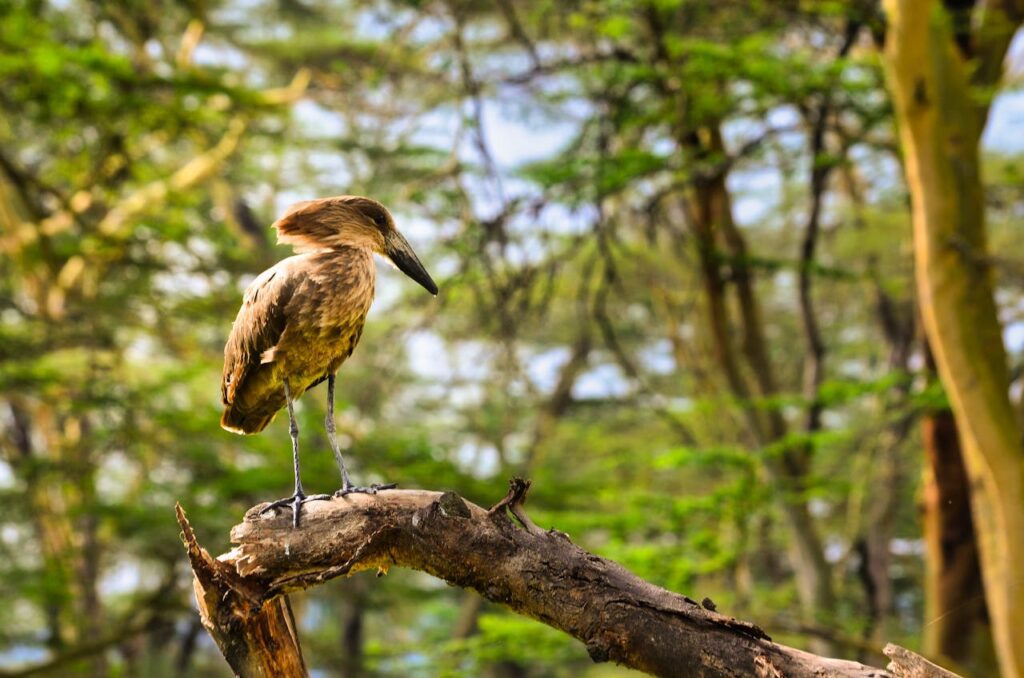
Lake Baringo is Kenya’s paradise for birders and wildlife photographers. Situated in the semi-arid northern Rift Valley, the lake is fed by seasonal rivers and springs, maintaining its freshwater character even as the landscape around it bakes under the equatorial sun. The contrast is startling — arrive at Baringo and you emerge from dust and acacia scrubland to find a shimmering blue-grey expanse alive with the calls of thousands of birds. With over 470 species recorded, it ranks among the finest birdwatching destinations in the entire continent. Goliath herons, Verreaux’s eagle, Jackson’s hornbill, African skimmer, and the rare hemprich’s hornbill are just a handful of the extraordinary species that draw ornithologists from around the world.

Boat safaris on Lake Baringo are a highlight not to be missed — guides navigate through the reeds and around resident hippo pods while identifying birds with extraordinary precision, often calling them by local names passed down through generations. At night, the lake’s shores come alive in a different way: hippos graze on the lawns of lakeside lodges, sometimes wandering within metres of resting guests, while the sky above — free from light pollution — blazes with stars. The lake’s surrounding escarpments, particularly the Loboi Plain and Bogoria escarpment, offer dramatic hiking and a connection to the ancient pastoral cultures that have lived alongside this water for thousands of years.

This incredible 15-day East African adventure is the ultimate wildlife odyssey, uniting three countries and offering a blend of classic safari game viewing with the profound experience of gorilla trekking. From $ 5,000

5

Lake Nakuru
— The Flamingo Lake

Location: Nakuru National Park, Nakuru County Size: ~44 km² Type: Alkaline/saline UNESCO Status: Ramsar Wetland; lies within a UNESCO World Heritage Site nomination

Quick Facts

  • Once dubbed the “greatest bird spectacle on Earth” by ornithologist Roger Tory Peterson
  • At peak population, over 2 million flamingos have gathered on its shores
  • Lake Nakuru National Park is one of Kenya’s most visited parks
  • A critical sanctuary for both black and white rhinos
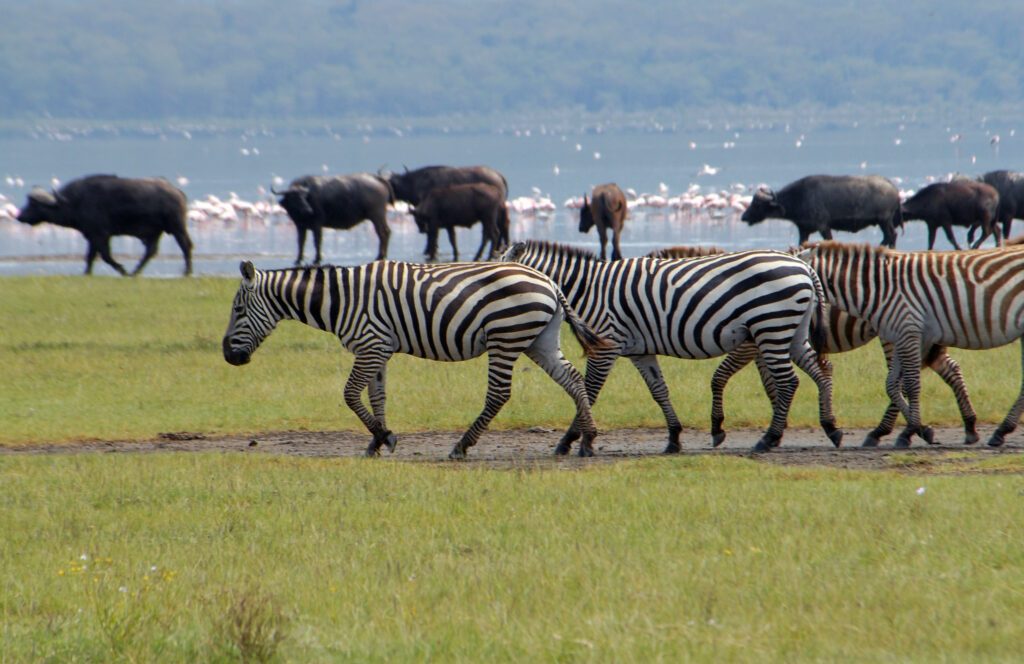
  • Home to Rothschild’s giraffes, lions, leopards, and buffalos
  • The lake’s water levels have fluctuated dramatically in recent decades due to climate change

About the Lake

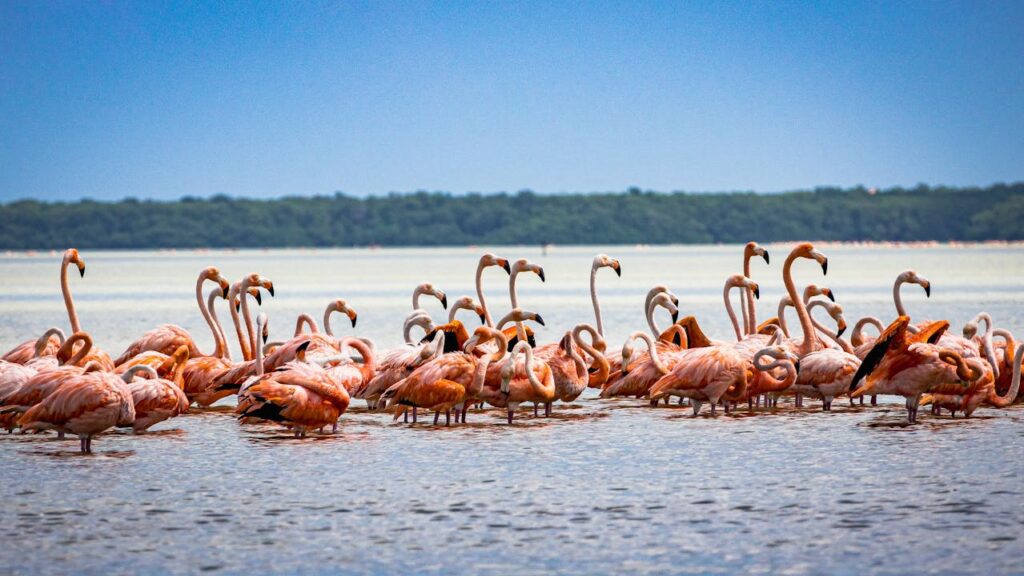
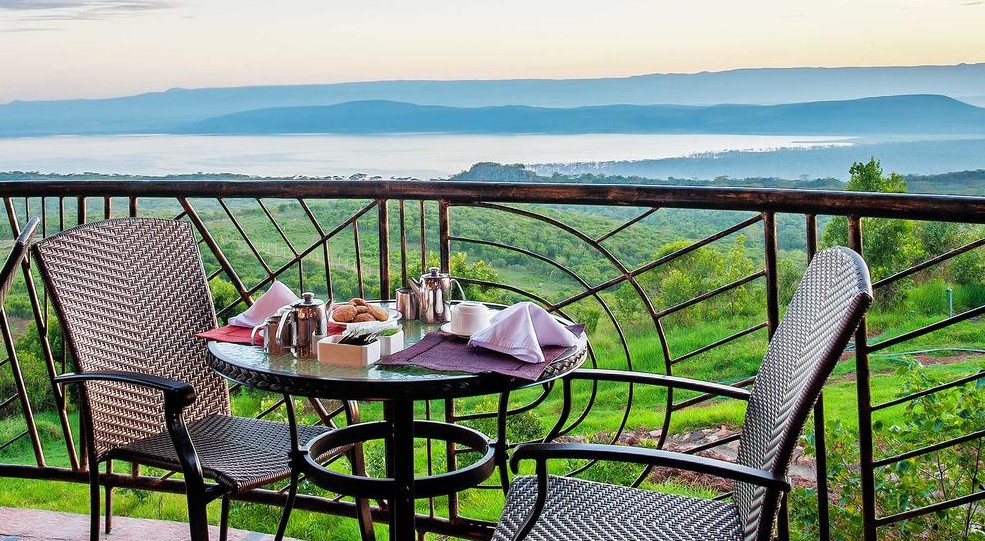
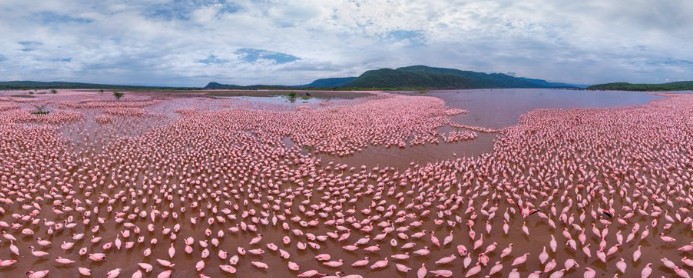
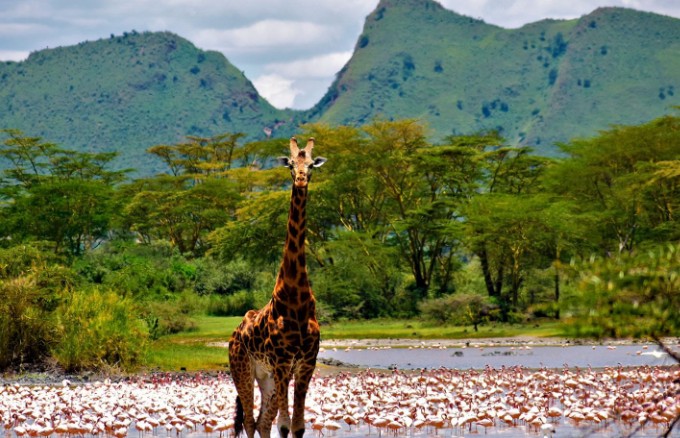
Few sights in the natural world can rival the vision of Lake Nakuru at its flamingo peak — a horizon of deep pink, the air thick with the rustle of wings and the honking calls of hundreds of thousands of lesser and greater flamingos feeding on the algae-rich shallows. The lake’s alkaline waters produce an extraordinary bloom of the blue-green algae Arthrospira (spirulina), which acts as the primary food source for the flamingos that gather here in their millions. Photographed from the surrounding escarpment, the lake appears almost as a living canvas — a shimmering oval of pink and white, rimmed by yellow fever trees and the dark green walls of the Rift Valley.

Lake Nakuru National Park, which fully encloses the lake within its electrified fence, offers a Big Five experience in a compact and highly accessible setting. Both black and white rhinos have been successfully bred here, and sightings are relatively frequent compared to larger, wilder parks. The park’s Baboon Cliff lookout point offers one of Kenya’s most photographed panoramic views — the full sweep of the lake, the surrounding escarpment, and the Rift Valley floor spread below in extraordinary detail. Whether you come for the flamingos, the rhinos, or simply the breathtaking panorama, Lake Nakuru does not disappoint.

Lake Nakuru
Lake Nakuru Flamingos
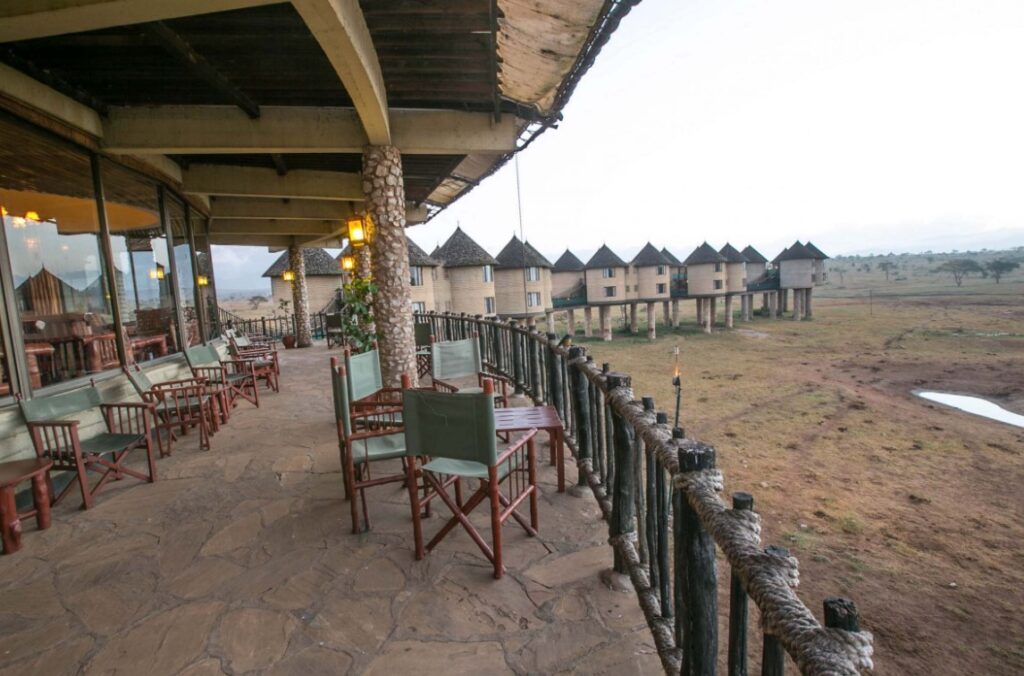
Sopa Lodge Lake Nakuru Balcony View
Lake bogoria
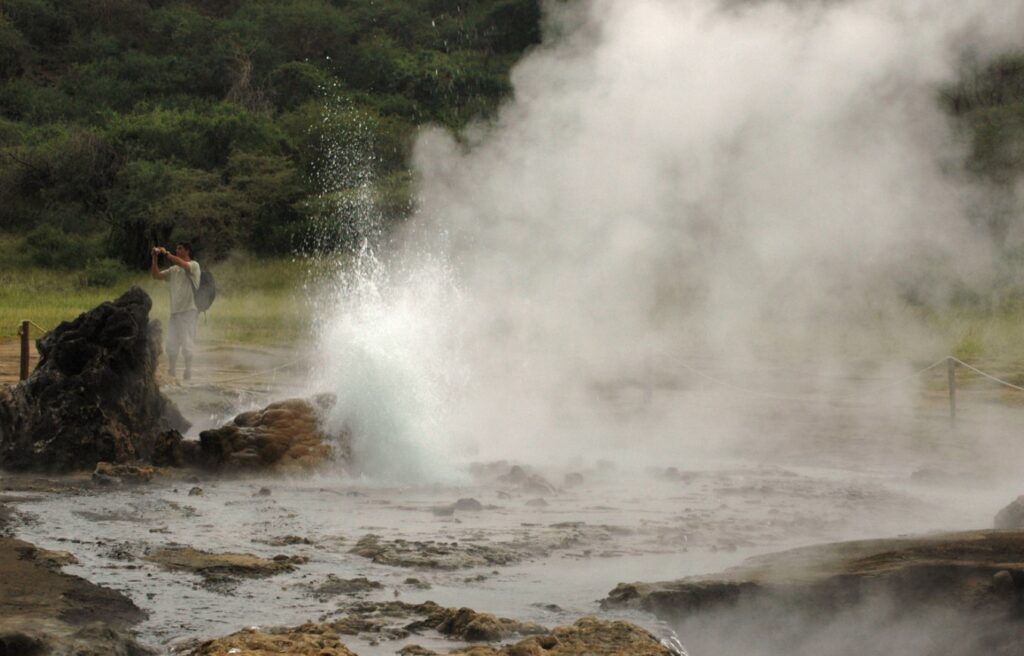
Lake Bogoria hot Springs

6

Lake Bogoria
— The Steam Lake

Location: Baringo County, Rift Valley Size: ~34 km² Type: Alkaline/saline UNESCO Status: Ramsar Wetland

Quick Facts

  • A UNESCO Ramsar Wetland and Kenya’s first protected Ramsar site
  • Home to the most concentrated flamingo population in Kenya since Nakuru’s levels rose
  • Contains the highest concentration of geysers and hot springs in East Africa
  • Water temperatures at some springs exceed 100°C
  • Surrounded by the geologically dramatic Siracho Escarpment
  • Greater kudu — a rarely seen antelope — inhabit the surrounding scrubland

About the Lake

Lake Bogoria is one of Kenya’s most otherworldly landscapes. Hidden within a sheer-walled gorge of the Great Rift Valley, the lake is a geologist’s dream and a naturalist’s paradise — a deep alkaline body of water fringed by columns of steam rising from geothermal hot springs and geysers that hiss and spout boiling water metres into the air. The combination of bubbling geysers, pink-hued flamingo flocks, and towering escarpment walls creates a scene of wild, primeval drama that is unlike anywhere else in Kenya. When the wind shifts and carries flamingo calls over the steam plumes, Bogoria feels less like a lake and more like a portal to the beginning of the world.

Since the water levels of Lake Nakuru began rising in the 2010s — flooding the alkaline flats where flamingos feed — much of the pink horde has relocated to Bogoria, making it the new epicentre of Kenya’s flamingo spectacle. On a still morning, with hundreds of thousands of birds reflected in the lake’s glassy surface and steam rising from the geysers behind them, the sight is genuinely humbling. The lake is also one of the only places in Kenya where the greater kudu — an elegant, spiral-horned antelope — can be reliably spotted along the rocky, scrub-covered shoreline. Lake Bogoria is raw, geologically alive, and magnificently strange.

7

Lake Magadi
— The Soda Lake

Location: Kajiado County, Rift Valley Size: ~100 km² Type: Highly alkaline (soda/trona lake)

Quick Facts

  • One of the most saline and alkaline lakes on Earth
  • Commercially mined for trona (sodium sesquicarbonate) — one of Kenya’s mineral exports
  • Home to a breeding colony of lesser flamingos
  • Surface temperatures can exceed 40°C, making it one of the hottest lakes in Kenya
  • Positioned in the southernmost part of Kenya’s Rift Valley
  • The surrounding landscape contains ancient hot springs visited by Maasai communities

About the Lake

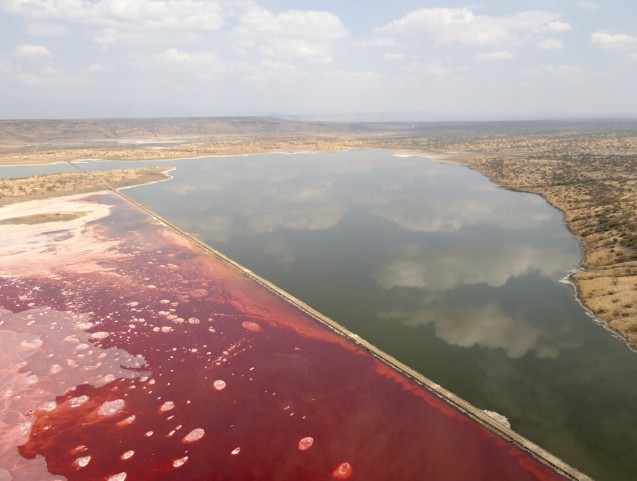
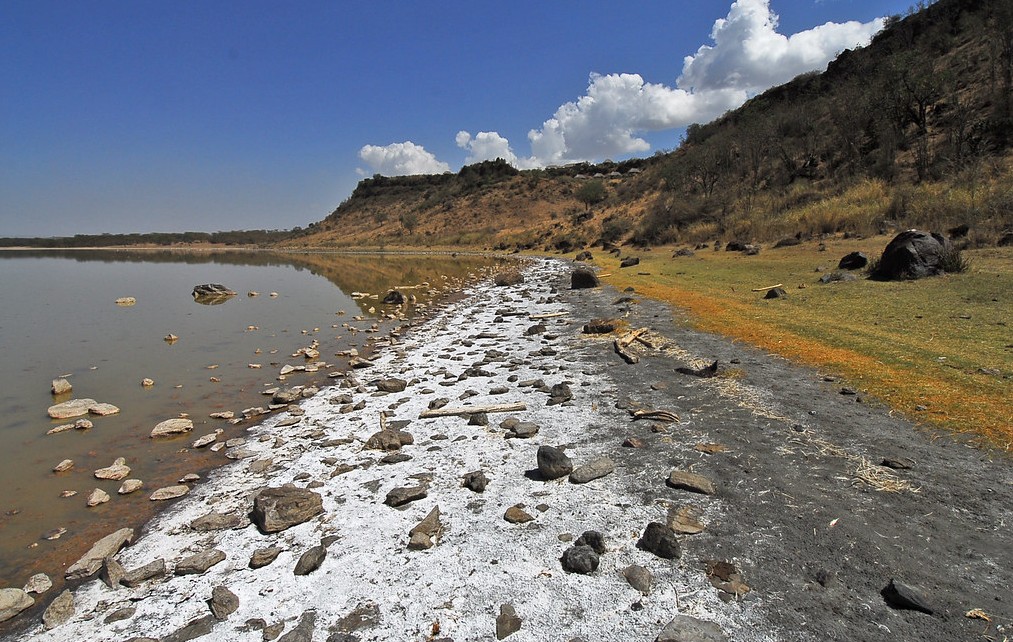
Lake Magadi sits in the arid southern reaches of the Kenyan Rift Valley, just 120 kilometres south of Nairobi and close to the Tanzanian border, yet it feels like a place from another planet entirely. The lake is almost entirely covered by a thick crust of trona — a form of sodium carbonate — that glitters blinding white and pale pink under the equatorial sun. In the intense heat, the lake shimmers and shudders with mirage-like heat distortions, and the air carries the sharp, mineral tang of one of East Africa’s most extreme chemical environments. It is not a lake you swim in or sail across; it is a lake you witness, with reverence, from the shoreline.

Yet for all its hostility to most life, Magadi supports remarkable biodiversity at its margins. Lesser flamingos breed at the lake’s southern Evaporation Pond, taking advantage of the algae that colonise the warmer, slightly less saline shallows. Hot springs along the western shore attract tilapia fish specially adapted to survive at temperatures that would kill most species, and the surrounding acacia-dotted plains shelter oryx, Grant’s gazelle, and the occasional lion following the game trails between Amboseli and the Maasai Mara. For the adventurous traveller seeking the road less travelled, Magadi is an extraordinary, alien encounter.

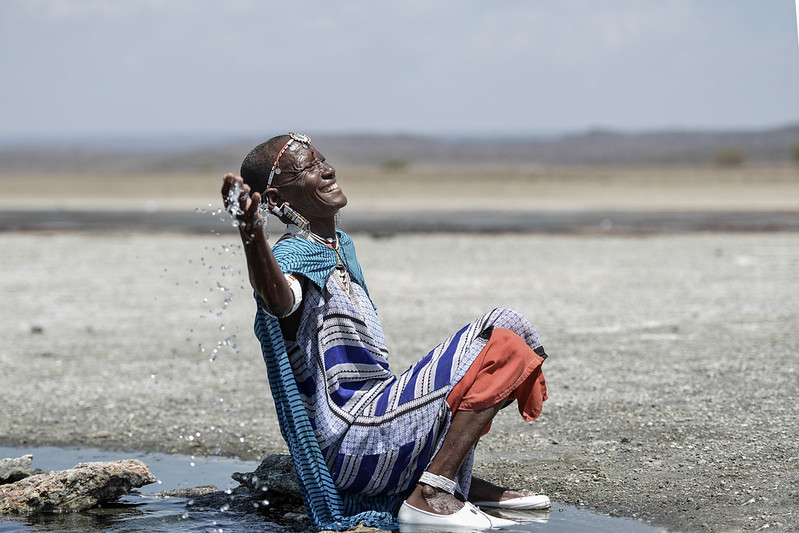
A Maasai woman is sprinkling her feet with hot spring water in Lake Magadi.
Photograph by David macharia
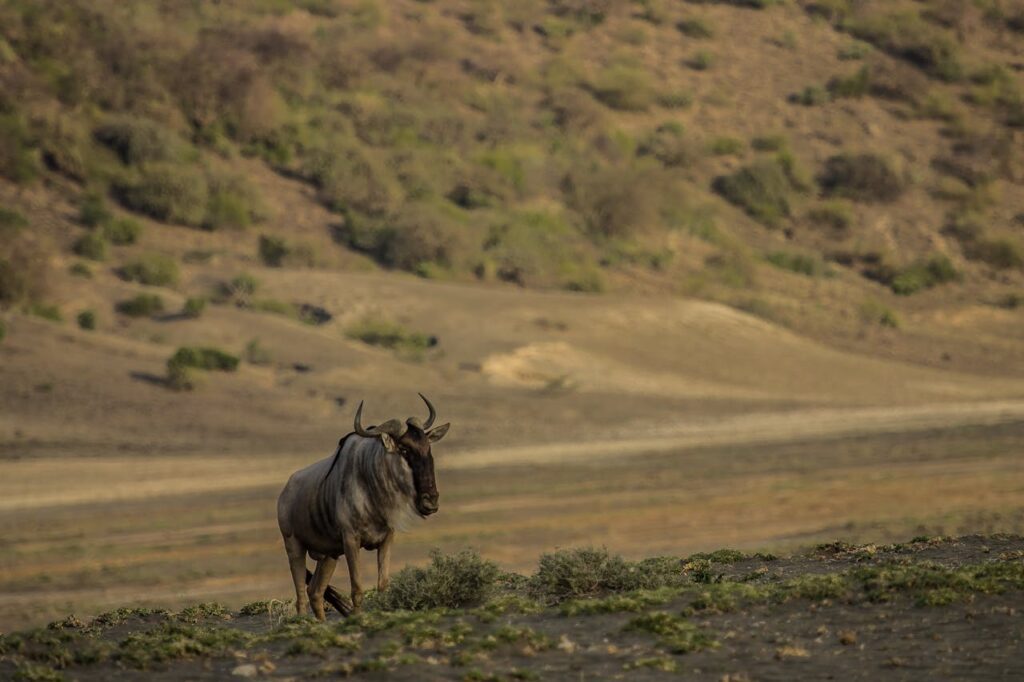
Wilderbeast around Lake Magadi

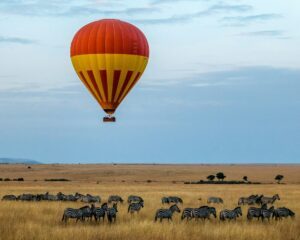
Witness the Great Migration firsthand as millions of wildebeest thunder across vast plains. From $ 5,000

Lake Elementaita
Lake Elementaita birds

8

Lake Elementaita
— The Hidden Gem

Location: Nakuru County, Rift Valley Size: ~18 km² Type: Alkaline/saline UNESCO Status: UNESCO World Heritage Site (as part of Kenya Lake System)

Quick Facts

  • A UNESCO World Heritage Site — part of the Kenya Lake System in the Great Rift Valley
  • The smallest of Kenya’s Rift Valley soda lakes
  • Home to a significant breeding colony of greater flamingos
  • Over 56 species of water birds recorded, including the great white pelican
  • Surrounded by privately owned conservancies and boutique safari camps
  • Prehistoric archaeological sites discovered on its shores — Homo sapiens remains dating back 35,000 years

About the Lake

Lake Elementaita is Kenya’s best-kept secret — a UNESCO World Heritage Site that, unlike its famous neighbours Nakuru and Bogoria, retains a sense of quiet, unhurried beauty that makes it feel entirely personal. Cradled between the Eburru escarpment and the rolling hills of the Rift Valley, the lake’s pale, mineral-rich waters glow with a milky, opalescent quality at dawn that photographers dream about. Flamingos dot the shoreline in loose congregations, great white pelicans drift in stately flotillas across the shallows, and the silence — broken only by birdsong and the occasional grunt of a distant hippo — is profound. It is the kind of lake that asks you to slow down and simply be present.

The land surrounding Elementaita is dotted with conservancies that protect the lake’s fragile watershed and provide refuge for a rich array of wildlife, including Rothschild’s giraffe, black rhino, lion, cheetah, and over 450 bird species. Unlike the more heavily visited parks, Elementaita’s conservancies limit visitor numbers and offer deeply intimate wildlife encounters — early morning walks along the lakeshore, sundowner picnics on the escarpment, and night game drives where the unpolluted sky stretches from horizon to horizon. It is a lake for those who seek the extraordinary not in spectacle alone, but in stillness.

9

Lake Jipe
— The Border Lake

Location: Taita Taveta County (shared with Tanzania) Size: ~56 km² Type: Freshwater

Quick Facts

  • A transboundary lake shared between Kenya (30%) and Tanzania (70%)
  • Located within Tsavo West National Park
  • Fed by glacial meltwater from Mount Kilimanjaro via the Lumi River
  • One of Kenya’s least-visited lakes — making it one of its most rewarding
  • Hippos, crocodiles, and a remarkable variety of water birds inhabit the lake
  • Surrounded by papyrus reeds that shelter sitatunga antelope — a rarely seen semi-aquatic species

About the Lake

Lake Jipe is one of Kenya’s most overlooked treasures — a remote, transboundary lake sitting at the foot of Mount Kilimanjaro within the vast wilderness of Tsavo West National Park. Fed by glacial meltwater flowing down Africa’s highest mountain via the Lumi River, the lake occupies a dreamlike landscape where the reed-fringed shoreline frames an unobstructed view of Kilimanjaro’s iconic snow-capped summit — a vision of such impossible beauty that it seems borrowed from a painting. The combination of mountain, lake, papyrus reed beds, and the wild open plains of Tsavo makes Lake Jipe one of Kenya’s most photogenic and emotionally resonant destinations.

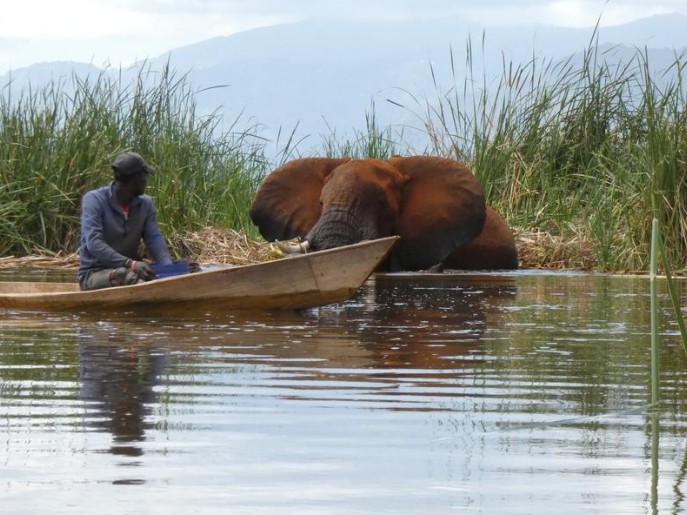
Because of its remoteness and the difficulty of access, Jipe receives a fraction of the visitors that flock to Kenya’s more famous parks, and this solitude is its greatest gift. Boat safaris on the lake weave through corridors of papyrus reeds where sitatunga antelope — one of Africa’s most elusive and rarely photographed antelopes — can occasionally be spotted wading in the shallows. Hippos and Nile crocodiles share the deeper sections of the lake, while African fish eagles, night herons, lesser moorhens, and the secretive papyrus gonolek call from the reeds. To visit Lake Jipe is to experience a Kenya that most tourists never find — quiet, wild, and astonishing.

Lake Jipe
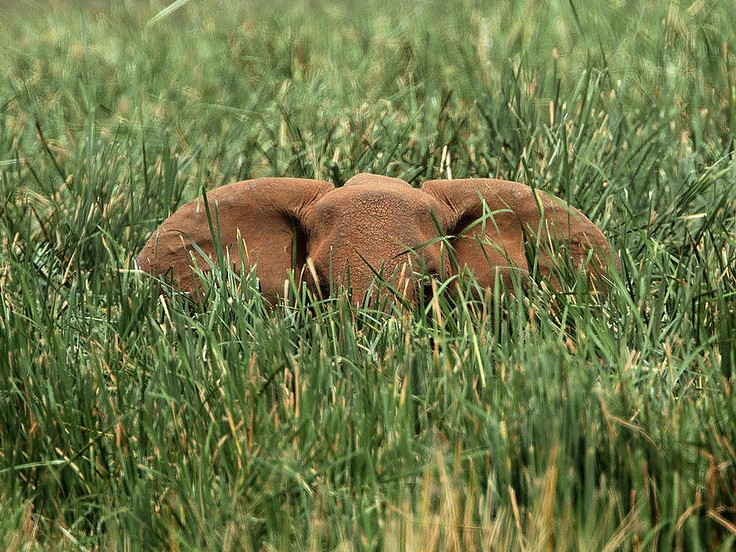
Elephant Surprise In Lake Jipe
Photograph by Steve Garvie
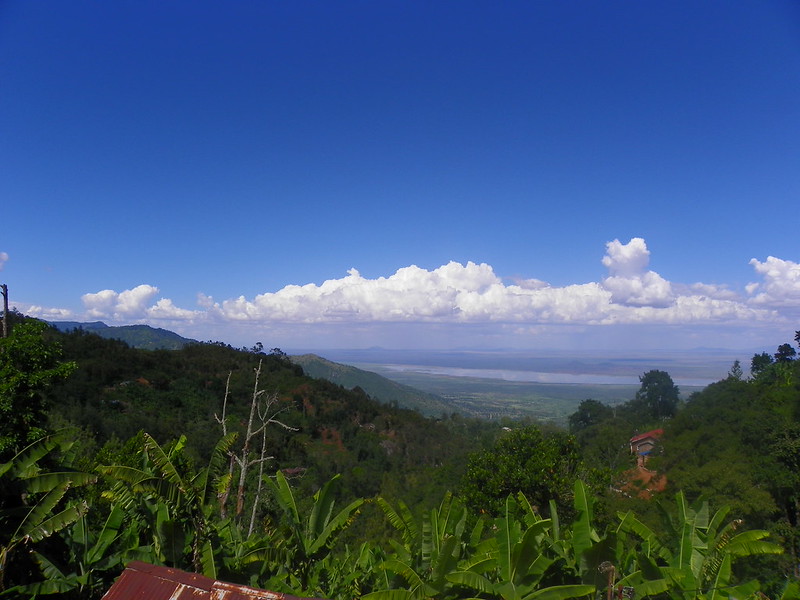
Lake Jipe from a distant village.
Photograph by The Kumkichwa
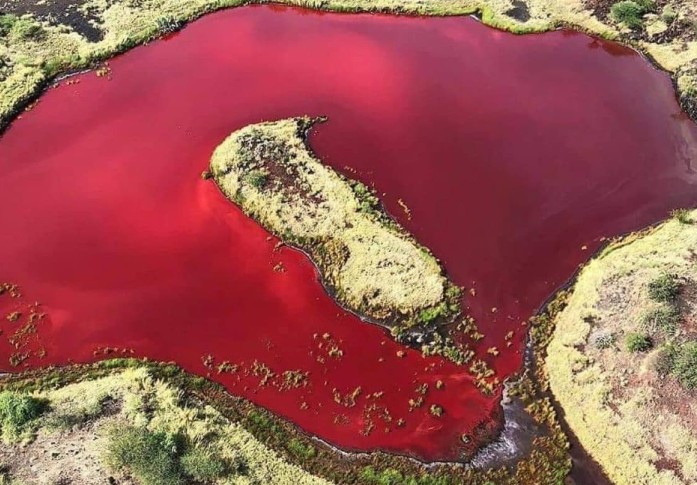
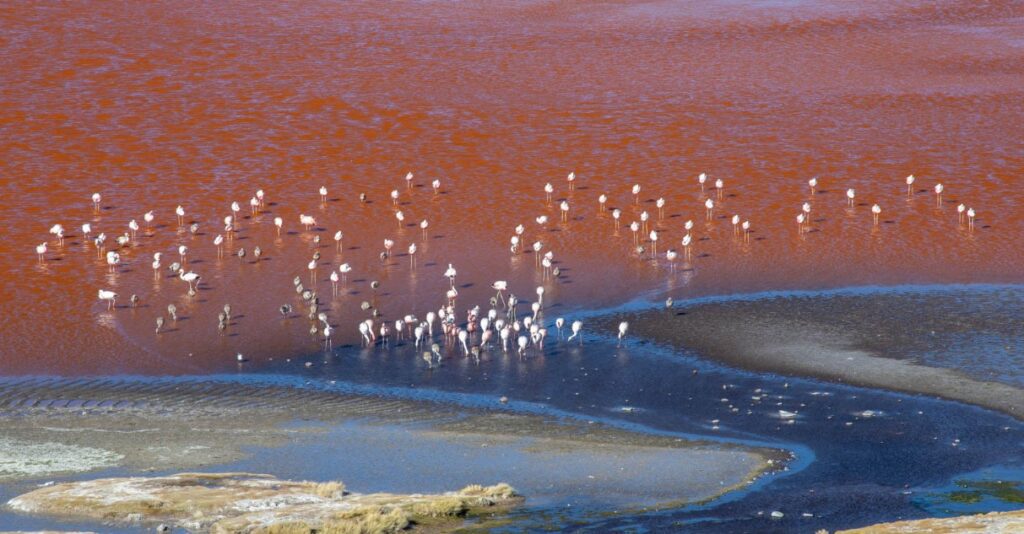
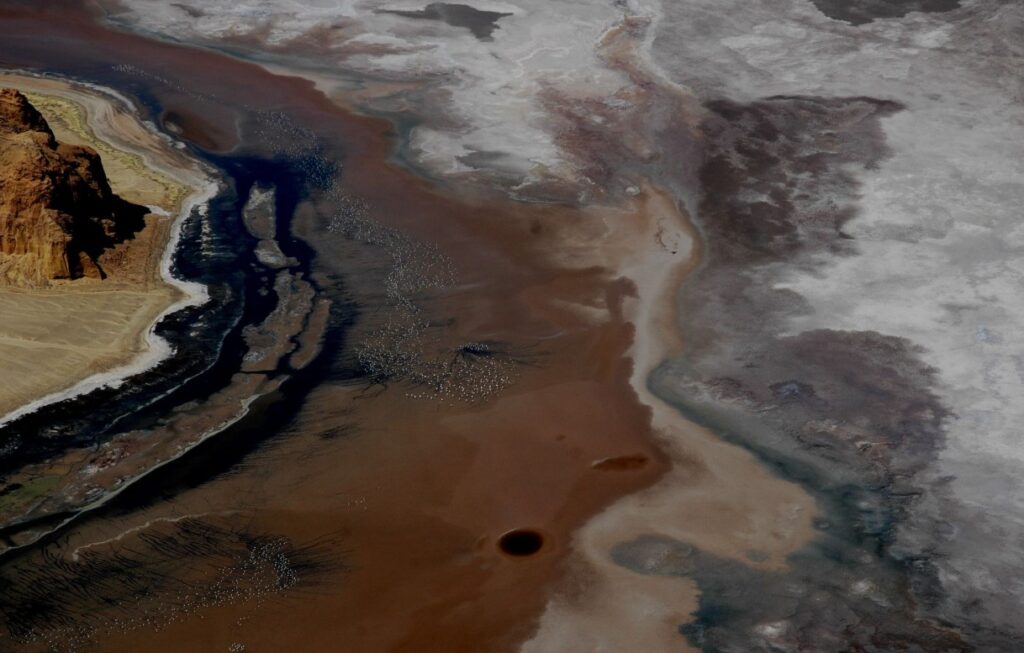
Lake Logipi Flamingos

10

Lake Logipi
— The Forgotten Flamingo Lake

Location: Turkana County, Northern Kenya Size: ~40 km² Type: Highly alkaline

Quick Facts

  • One of the most remote and least-visited lakes in Kenya
  • An overflow/satellite lake of Lake Turkana, connected seasonally
  • Hosts a small but significant flamingo population
  • Surrounded by dramatic volcanic and desert landscape in the Suguta Valley
  • The Suguta Valley — one of the hottest places on Earth — frames the lake’s southern horizon
  • Almost entirely unresearched, making it one of Kenya’s great natural mysteries

About the Lake

Lake Logipi is Kenya’s most frontier lake — a remote, shimmering body of alkaline water lost in the volcanic wilderness of the Suguta Valley in Kenya’s far north. Accessible only by air or by a gruelling overland journey through some of the continent’s most inhospitable terrain, Logipi is not a destination for the faint-hearted. It is, however, a destination for the genuinely adventurous — those who find beauty not in comfort but in the raw, uncompromising honesty of places that have barely been touched by the modern world. The lake’s surface shimmers with mineral deposits, and on its shores, flamingos gather in small but visually spectacular flocks against a backdrop of black lava fields, dust devils, and the distant outline of volcanic cones.

The Suguta Valley, which hosts Logipi at its northern end, is one of the hottest, most tectonically active places on Earth — and is virtually unchanged from how it looked millions of years ago. Visiting Lake Logipi is less a tourist excursion and more an expedition; one that rewards the truly dedicated with a level of solitude, wildness, and geological magnificence that is almost impossible to find anywhere else. For Umani Bliss Safaris, Logipi represents the outer edge of exploration — a reminder that Kenya still holds secrets, still harbours frontiers, and that the spirit of discovery is alive and well for those willing to seek it.

READY TO GO?

Experience Kenya's Lakes
with Umani Bliss Safaris

Kenya’s great lakes are not merely bodies of water — they are living, breathing ecosystems, archaeological treasure troves, wildlife sanctuaries, and windows into the geological forces that shaped our planet. From the towering volcanic drama of Turkana in the north to the intimate, bird-filled stillness of Elementaita in the Rift Valley, each lake offers an experience that is entirely its own.

At Umani Bliss Safaris, we specialise in curating journeys that take you beyond the obvious — into the landscapes, communities, and natural wonders that make Kenya the most extraordinary destination on Earth. Our exclusive 8, 10, and 13-Day All-Inclusive Packages are designed to combine Kenya’s iconic wildlife with its breathtaking lakes, pristine coastal shores, and the warm hospitality of the Swahili Coast.

Top Picks

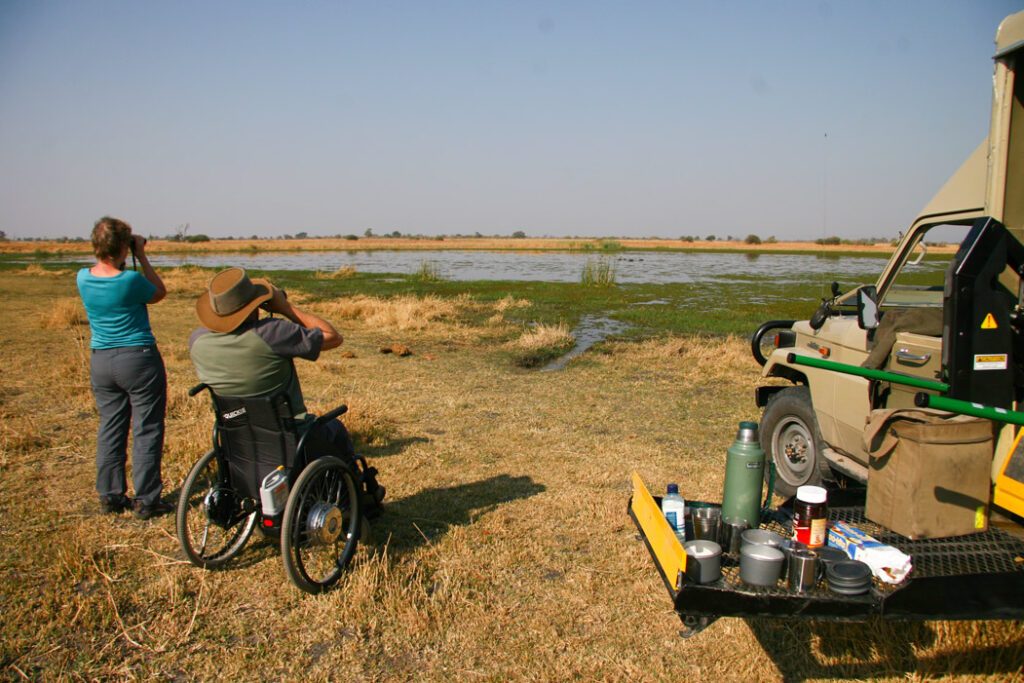
This unforgettable 13-day Kenyan adventure caters specifically to travelers with disabilities, offering a fully accessible exploration of the country's most breathtaking landscapes and wildlife.

Embark on a captivating journey that blends the majesty of Kenya's wildlife with the idyllic beauty of its pristine beaches. This unforgettable Amboseli safari and...

Embark on a captivating journey that blends the majesty of Kenya's wildlife with the idyllic beauty of its pristine beaches. This unforgettable Amboseli safari and...

This exciting 6-day Kenyan adventure is designed specifically for travelers with disabilities, offering a fully accessible exploration of some of the country's most breathtaking national...

This unforgettable 9-day Kenyan adventure is specifically designed for travelers with disabilities, offering a fully accessible exploration of the country's most breathtaking wildlife destinations.

This unforgettable 7-day adventure takes you to Kenya's most popular wildlife destinations, showcasing the country's diverse and magnificent animal kingdom.

Testimonials

Travel Diaries.

Lost your password?