
TANZANIA’S NORTHERN CIRCUIT

Tarangire National Park
Africa's Elephant Capital

Towering baobab trees. Spotting herds of up to 300 elephants is a common occurrence. Ancient riverbeds teeming with life. And surprisingly, just a day’s drive from Nairobi.

2,850

PARK AREA (KM²)

500+

BIRD SPECIES

300

ELEPHANTS PER HEARD

~6hr

FROM NAIROBI BY ROAD

ABOUT THE PARK

Tanzania's Quieter
Wildlife Giant

Tarangire National Park is one of East Africa’s most rewarding and least crowded safari destinations — a vast, ancient landscape in Tanzania’s northern circuit where the continent’s largest elephant herds gather beneath the skeletal arms of 1,000-year-old baobab trees.

Named after the Tarangire River — the permanent water source that coils through its northern reaches — the park covers 2,850 square kilometres of savanna woodland, seasonal swamps, and sweeping grasslands. In the Maasai language, “Tarangire” translates as “the river of warthogs,” a nod to the sheer abundance of wildlife that has thrived here for millennia.

While the Serengeti commands global headlines and Ngorongoro Crater draws tour buses by the hundred, Tarangire rewards the discerning traveller with something increasingly rare in East Africa: space, silence, and wildlife encounters that feel genuinely wild. During the dry season, it’s not unusual to share a waterhole with thousands of animals — lions, leopards, zebras, and elephant herds stretching across the horizon — and encounter no other vehicle for miles.

Umani Bliss Safaris

Planning Africa
Private Safaris Since 2010

After six days of flamingo-laced lakeshores, lion-patrolled Serengeti plains, and the ancient volcanic wonder of Ngorongoro Crater, this safari saves its most intimate and unhurried chapter for last — Tarangire National Park. From $ 2,520

Location

Manyara Region, Northern Tanzania

Established

1970

Nearest Airport

Kilimanjaro International (JRO) — 2 hrs

Circuit

Tanzania Northern Safari Circuit

Tarangire
Major Attractions

01
Elephant Herds
Tarangire is home to Africa's highest elephant population density outside of Amboseli. Herds of up to 300 African bush elephants gather at the river and seasonal swamps — a spectacle that defines this park above all others.
02
Ancient Baobab Trees
The prehistoric baobab trees of Tarangire are among the oldest living organisms on Earth — some exceeding 1,000 years old. Their extraordinary silhouettes against the golden afternoon sky create landscape photographs that cannot be replicated anywhere else in East Africa.

03

The Tarangire River
The lifeblood of the park, this permanent river draws thousands of animals from across the surrounding savanna throughout the dry season. Witnessing zebra, wildebeest, elephant, and buffalo converging on the same stretch of water — while lions patrol the banks — is one of East Africa's most visceral safari.

04

World-Class Birding
With over 550 recorded bird species, Tarangire is one of Africa's premier birding destinations. Seek out the endangered ashy starling — endemic to north-central Tanzania — alongside yellow-collared lovebirds, hornbills, saddle-billed storks, Kori bustards, and steppe eagles. A dedicated birding morning here is genuinely extraordinary.

05

Silale & Larmakau Swamps
The park's seasonal swamps — Silale, Larmakau, and Gurusi — are exceptional wildlife habitats in the eastern and southern sections. They shelter the park's famous Silale swamp lions, African wild dogs (rare sightings), hippos, and the remarkable tree-climbing pythons that have made Tarangire famous among wildlife photographers.

06

Hot Air Balloon Safaris
Rising above the baobab canopy at dawn for a balloon safari over Tarangire offers a perspective unlike any game drive — a silent, bird's-eye view of elephant herds moving through the grasslands as the sun paints the landscape copper and gold. Available through operators including Oliver's Camp and Little Oliver's.

WILDLIFE GUIDE

What You'll
Encounter

Tarangire’s ecosystem supports a remarkable diversity of species drawn together by the Tarangire River and its network of seasonal swamps. During the dry season (June–November), the concentration of wildlife here rivals any park on the continent.

Mega-Herbivores
  • African Bush Elephant 
  • African Buffalo
  • Common Hippopotamus
  • Reticulated Giraffe
  • Grevy’s Zebra
  • Plains Zebra
Predators
  • African Lion (Silale Swamp pride)
  • Leopard (nocturnal)
  • Cheetah
  • Spotted Hyena
  • African Wild Dog (rare)
  • Rock Python (tree-climbing)
Antelopes & Gazelles
  • Fringe-eared Oryx
  • Greater Kudu
  • Coke’s Hartebeest
  • Bohor Reedbuck
  • Impala
  • Gerenuk
Signature Birds
  • Ashy Starling (endemic)
  • Yellow-collared Lovebird
  • Kori Bustard
  • Saddle-billed Stork
  • Martial Eagle
  • Crested Francolin

THE KENYAN ADVANTAGE

Closer Than You Think:
Reaching Tarangire from Kenya

Most travellers assume Tarangire is best reached from Dar es Salaam — Tanzania’s coastal capital nearly 600 kilometres away. The truth? Nairobi is a far smarter starting point. From the Kenyan capital, Tarangire sits within comfortable striking distance, making it the natural extension of any Kenya safari itinerary.

Nairobi ~> Namanga ~> Arusha ~> Tarangire

~5.5 – 6.5 Hours · Most Popular Route
The most travelled road route. Drive south from Nairobi on the A104 highway to the Namanga border crossing — one of the fastest and best-managed East African land borders. After crossing into Tanzania, continue to Arusha (often with a lunch stop) then south to Tarangire's main gate. The road is fully tarmacked and well-maintained throughout.

Nairobi → Kilimanjaro Airport → Tarangire

~3 Hours Total · Fastest Option
Fly from Jomo Kenyatta International Airport (NBO) to Kilimanjaro International Airport (JRO) in just 45–55 minutes. Multiple daily flights operate this route via Kenya Airways, Precision Air, and Regional Air. From JRO, a 2-hour drive through Arusha delivers you to Tarangire's entrance gate by mid-morning — ideal for arriving in time for an afternoon game drive.

Nairobi → Charter Flight → Tarangire Airstrip

~1.5 Hours · Ultimate Luxury
For those travelling on a luxury safari package, private charter flights operate directly from Wilson Airport (WIL) in Nairobi to Tarangire's bush airstrips, including Kuro and Sangaiwe. Your Umani Bliss guide meets you on landing and you begin your game drive within minutes of touchdown — without a single border queue.

Why Not Dar es Salaam?

From Dar es Salaam
Approximately 600 km by road, passing through Dodoma, requiring an overnight stop. Road conditions on the Dodoma–Arusha stretch vary significantly. By air, Dar–Kilimanjaro flights are less frequent and often more expensive than Nairobi–Kilimanjaro connections due to fewer airline options.

From Nairobi
Approximately 300 km to Tarangire’s gate via Namanga and Arusha — fully on tarmac. Completed comfortably in a single day. Flights are more frequent, better priced, and operated by multiple carriers. Nairobi also provides the widest range of international flight connections into East Africa, making it the smarter hub for the entire northern Tanzania circuit.

Five days is all it takes to witness Tanzania at its most magnificent — elephant herds numbering in the hundreds moving through Tarangire’s ancient baobab forests, lions stalking the golden Serengeti plains at dawn, and the breathtaking descent into Ngorongoro Crater, the eighth natural wonder of the world, where the Big Five roam freely within a single volcanic caldera. This is not a condensed safari — it is a perfectly curated one, built for the traveller who wants the full depth of Tanzania’s northern circuit without a single wasted day. From $ 2,500

PERFECT COMBINATION

Pair Tarangire with
A Kenya Safari

Because of its proximity to Nairobi and the Kenyan border, Tarangire is the ideal Tanzania add-on to any Kenya safari package. With Umani Bliss Safaris managing both sides of the border, you experience a seamless, two-country wildlife journey without the logistical headaches of coordinating separate operators.

A classic combination pairs 5–6 days in Kenya’s Masai Mara and Amboseli National Park — where you witness the Maasai ecosystem from Kenya’s side — with a 3–4 day extension into Tanzania’s northern circuit, including Tarangire and optionally the Ngorongoro Crater or Serengeti. This creates a complete East African safari experience in a single, fluid itinerary.

Because we operate on both sides of the border and handle all Tanzania ETA and entry documentation, the crossing is smooth, well-prepared, and entirely stress-free for our clients.

SEASONAL GUIDE

When to Visit
Tarangire

Tarangire is a year-round destination, but the experience varies dramatically by season. Understanding the seasons helps you choose the right time for your wildlife priorities.

JUNE - OCTOBER
Dry Season — Peak Wildlife

The absolute best time to visit. As water sources across the broader Tarangire ecosystem dry up, wildlife concentrates along the Tarangire River in extraordinary numbers. Elephant herds exceeding 300 animals gather at the river. Lions are active and visible. Birding is superb. The grass is short for clear sightlines. This is when Tarangire truly earns its reputation as one of Africa’s greatest wildlife spectacles.

NOVEMBER – DECEMBER
Short Rains — Green Season Begins
Brief showers transform the landscape into vivid green. Animals begin dispersing into the bush as temporary water sources return. Wildlife is still abundant and accessible, but slightly more spread out. This period offers dramatically reduced visitor numbers, lower accommodation rates, and the spectacular sight of newborn animals beginning to appear. An excellent time for birders — migratory species arrive in November.
JANUARY – FEBRUARY
Dry Interlude — Calving Season
A brief dry period returns before the long rains. Wildebeest calving is underway in the southern Serengeti — if combining Tarangire with Serengeti, this creates an exceptional Tanzania circuit. Wildlife is active, vegetation has settled, and predator activity is intense as they capitalise on vulnerable newborns. Excellent game viewing with fewer tourists than peak dry season.
MARCH – MAY
Long Rains — Lush & Discounted

The long rains bring heavy afternoon showers and some tracks become difficult for 2WD vehicles. However, Tarangire transforms into a photographer’s paradise of electric-green landscapes and dramatic storm-lit skies. Accommodation prices drop significantly. Birding reaches its annual peak — migratory species are present in full. A well-planned long rains safari with the right camp choices remains a genuinely rewarding experience.

SAFARI ACTIVITIES

Experiences Available
in Tarangire

Beyond the classic game drive, Tarangire supports a compelling range of safari activities — many of which are unavailable in more heavily regulated parks like the Serengeti.

Game Drives

Morning and afternoon game drives in open-roof 4WD vehicles with your expert Umani Bliss naturalist guide. The network of tracks across the northern park allows targeted drives toward the river, swamps, and baobab concentrations depending on the season.

Balloon Safaris

Hot air balloon flights launch at dawn from Oliver's Camp and float silently above the baobab canopy and Tarangire River floodplain. The perspective on elephant herds, river crossing animals, and the ancient tree landscape from altitude is genuinely extraordinary.

Night Game Drives

Available through private conservancy camps adjacent to the park. Night drives reveal an entirely different Tarangire — leopards on the move, bush babies in the acacia branches, and the glittering eyes of nocturnal creatures caught in the spotlight.

Walking Safaris

Guided walking safaris in the conservancy areas adjacent to the park offer a profoundly different engagement with the bush. On foot, tracking elephant spoor through the acacia woodland or approaching a giraffe on foot changes the relationship between visitor and wilderness entirely.

Kolo Rock Paintings

South of Tarangire near Kondoa, the Kolo ancient rock art sites contain some of East Africa's most significant San Bushman paintings — some over 2,000 years old. Combine with your Tarangire safari for a remarkable cultural dimension to your Tanzania experience.

Stargazing

Tarangire's remoteness from major light pollution makes it one of Tanzania's finest stargazing destinations. At camps in the southern reaches of the park, the Milky Way is visible in extraordinary clarity — a perfect complement to Umani Bliss's stargazing safari expertise.

COMMON QUESTIONS

Frequently Asked Questions
About Tarangire

Do I need a Tanzania visa if I’m coming from Kenya?

Yes. All visitors entering Tanzania require a valid visa. Tanzania’s eVisa system allows you to apply online before travel — the process takes 3–5 working days and costs approximately USD 50 for most nationalities. East African Community (EAC) member citizens from Kenya, Uganda, and Rwanda enjoy visa-free entry. Umani Bliss Safaris assists all clients with Tanzania entry documentation as part of their safari package.

Can I combine Tarangire with my Kenya safari?

Absolutely — and this is one of the most popular itinerary combinations we offer. Tarangire pairs beautifully with Kenya’s Amboseli National Park (both sit under Kilimanjaro’s shadow), with the Masai Mara for a combined big cat and elephant experience, or as a gateway into the Serengeti and Ngorongoro Crater for a complete Tanzania northern circuit.

How long should I spend in Tarangire?

A minimum of 2 full days (3 nights) allows you to experience morning and afternoon game drives, explore both the northern river section and the southern swamp areas, and have meaningful wildlife encounters. Those with a particular interest in birding, walking safaris, or photography should budget 3–4 full days. As part of a broader Kenya–Tanzania circuit, Tarangire typically receives 2–3 nights.

What type of vehicle is used for game drives?

All Umani Bliss safari vehicles are fully equipped 4WD Toyota Land Cruisers with pop-up roofs for unobstructed 360-degree game viewing. Vehicles are equipped with binoculars, charging points, a cool box for drinks, and a first aid kit. Maximum 6 guests per vehicle ensures an intimate experience with optimal sightlines for every passenger.

Is Tarangire safe for families with children?

Yes. Tarangire is one of the most family-friendly safari destinations in Tanzania. The abundance of elephants, giraffes, and colourful birdlife captures children’s imaginations immediately. Walking safaris are recommended for children 12 and older. Most lodges and tented camps accommodate families with spacious interconnecting units. Our team tailors safari pace and activities to suit families across all age groups.

What is the Tanzania Conservation Fee for Tarangire?

Tanzania National Parks (TANAPA) charges a daily conservation fee per person for entry to Tarangire. Current rates for non-residents are approximately USD 59 per adult per day and USD 20 per child per day. Vehicle fees also apply. All park fees are included transparently in your Umani Bliss safari package with no hidden charges.

READY TO GO?

Plan Your Tarangire
Safari Today

With over 11 years of experience crafting Kenya and Tanzania safaris, Umani Bliss Safaris handles every detail of your Tarangire experience — from Tanzania eVisa documentation to border transfers, from tented camp selection to game drive itinerary planning. All you do is arrive.

Top Picks

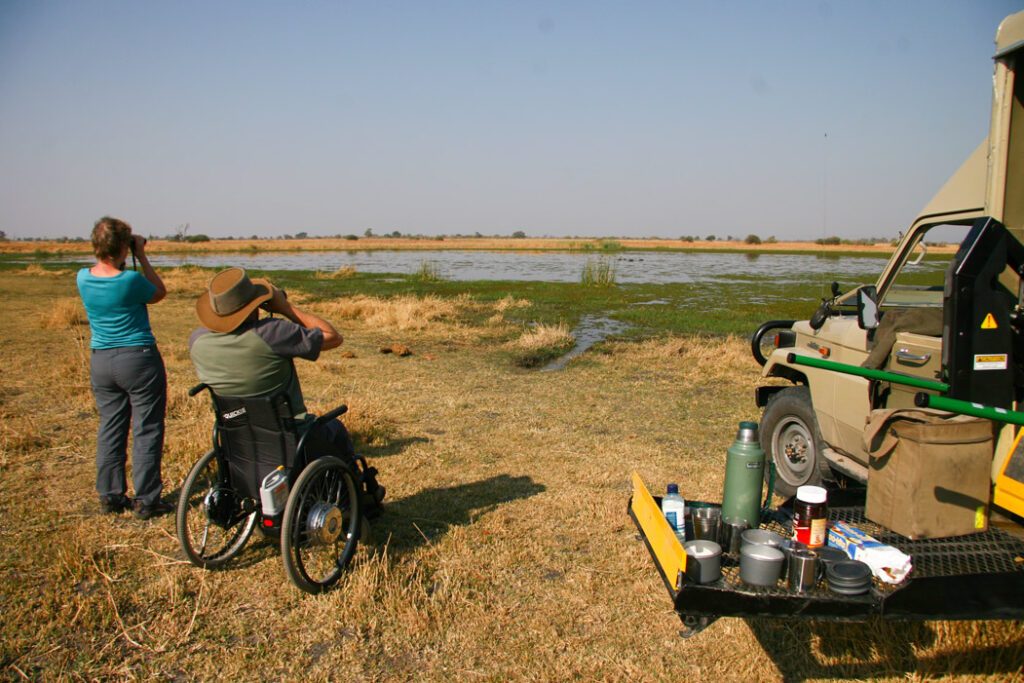
This unforgettable 13-day Kenyan adventure caters specifically to travelers with disabilities, offering a fully accessible exploration of the country's most breathtaking landscapes and wildlife.
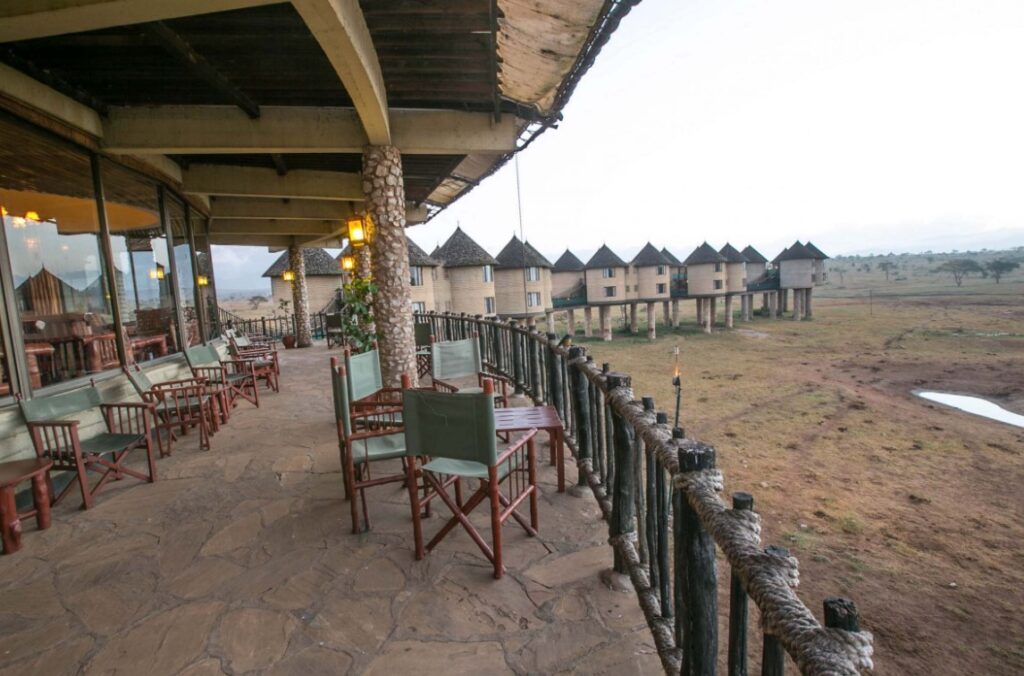
Embark on a captivating journey that blends the majesty of Kenya's wildlife with the idyllic beauty of its pristine beaches. This unforgettable Amboseli safari and...

Embark on a captivating journey that blends the majesty of Kenya's wildlife with the idyllic beauty of its pristine beaches. This unforgettable Amboseli safari and...

This exciting 6-day Kenyan adventure is designed specifically for travelers with disabilities, offering a fully accessible exploration of some of the country's most breathtaking national...

This unforgettable 9-day Kenyan adventure is specifically designed for travelers with disabilities, offering a fully accessible exploration of the country's most breathtaking wildlife destinations.

This unforgettable 7-day adventure takes you to Kenya's most popular wildlife destinations, showcasing the country's diverse and magnificent animal kingdom.
Testimonials

Travel Diaries.

Lost your password?