
TANZANIA’S NORTHERN CIRCUIT
There is a city in northern Tanzania that sits at the foot of a dormant volcano, at an elevation where the air is cool and clear, where the smell of coffee plantations drifts through the morning mist, and where the greatest concentration of wildlife destinations on the African continent is within reach in every direction. That city is Arusha — and if you are serious about experiencing Africa at its most magnificent, it belongs at the very top of your travel list.
Often called the “Geneva of Africa” for its role as a hub of international diplomacy and East African affairs, Arusha is far more than a stopover city. It is a destination in its own right — a vibrant, cosmopolitan gateway town with extraordinary food, rich Maasai and Chagga cultural heritage, outstanding highland scenery, and a strategic position that puts some of the world’s most iconic safari destinations within a few hours’ drive. For travellers planning an East African adventure, Arusha is not merely where you begin — it is where the magic starts.
Arusha City sits at roughly 1,400 metres above sea level on the lower slopes of Mount Meru — Tanzania’s second-highest peak and an underrated trekking destination in its own right. The city’s elevated position gives it a cooler, more temperate climate than most of East Africa, making it a remarkably comfortable base even during the height of the tropical dry season. The surrounding region, known as the Arusha Region, is a patchwork of coffee and banana plantations, Maasai bomas (homesteads), highland forests, and the stunning crater highlands that stretch south toward the Ngorongoro Massif.
The city itself is compact and navigable, with a bustling central market, excellent restaurants serving everything from Swahili cuisine to wood-fired pizza, a growing arts and crafts scene rooted in Maasai and Makonde traditions, and a warm, welcoming hospitality culture shaped by decades of welcoming travellers from around the world. The famous Arusha Clock Tower, which stands at the geographical midpoint between Cape Town and Cairo, is a popular landmark and a small but satisfying symbol of the city’s place at the literal heart of the African continent.
For the wildlife traveller, though, what truly defines Arusha is its extraordinary reach. Nowhere else in Africa can you base yourself in a single city and have genuine access to so many different, world-class safari destinations — all within a half-day’s drive.
Planning Africa
Private Safaris Since 2010
Distance from Arusha: Approximately 325 km | 4–5 hours by road, or 45 minutes by light aircraft
The Serengeti is Tanzania’s crown jewel and arguably the most famous wildlife sanctuary on Earth. Stretching across over 14,750 square kilometres of ancient grassland, the park is the stage for the Great Migration — the largest overland movement of animals on the planet, in which over 1.5 million wildebeest, 500,000 zebras, and 200,000 gazelles follow the rains in a continuous, circular journey across the Serengeti-Mara ecosystem. From river crossings at the Mara River to the calving season on the southern plains, the Serengeti delivers one of nature’s greatest spectacles twelve months of the year. Beyond the migration, resident populations of lion, leopard, cheetah, elephant, buffalo, and all five members of the Big Five make the Serengeti a year-round safari paradise.
Distance from Arusha: Approximately 180 km | 2.5–3 hours by road
The Ngorongoro Crater is one of the natural wonders of the world — a collapsed volcanic caldera stretching 19 kilometres across and sheltering a self-contained ecosystem of staggering density and diversity. Descending into the crater is one of the most dramatic experiences in African wildlife: within minutes of reaching the floor, you encounter herds of elephant, buffalo, zebra, wildebeest, and flamingo-fringed lakes, all under the watchful gaze of the crater’s resident prides of lion. Ngorongoro has one of the highest densities of lions on the continent and provides one of the most reliable opportunities to encounter black rhino in the wild. The Conservation Area also encompasses the Olduvai Gorge — the archaeological site where the Leakey family discovered some of the most pivotal early human fossils in history.
Distance from Arusha: Approximately 120 km | 1.5–2 hours by road
Tarangire is the hidden treasure of Tanzania’s northern safari circuit. It is often overlooked in favour of its more famous neighbours, which is precisely why it remains one of the continent’s most rewarding destinations. Named after the Tarangire River that flows through its heart, the park is famous for its ancient baobab trees, some of which are estimated to be over a thousand years old, and for its elephants — one of the largest elephant concentrations in Tanzania gathers here during the dry season, when the river becomes the only permanent water source for hundreds of kilometres. Tree-climbing lions, large python populations, and extraordinary birdlife (over 550 species recorded) add to Tarangire’s exceptional appeal.
Distance from Arusha: Approximately 126 km | 1.5–2 hours by road
Lake Manyara is compact, accessible, and absolutely unforgettable. Tucked between the base of the Rift Valley escarpment and the western shore of the alkaline Lake Manyara, the park offers exceptional game viewing in a surprisingly intimate, forested setting. Manyara is famous for its tree-climbing lions — a rare behaviour documented here and in very few other places on earth — as well as its enormous hippo pool and vast flocks of flamingo that colour the lake’s shallow margins pink. The forest zones near the park entrance are home to large troops of olive baboon and blue monkey, and the fig trees lining the escarpment base often shelter leopard during the early morning hours.
Distance from Arusha: Approximately 90 km | 1 hour by road
Africa’s highest peak and the world’s tallest freestanding mountain rises just one hour east of Arusha. Kilimanjaro is one of the most iconic trekking destinations on the planet — a dormant stratovolcano whose snow-capped summit at 5,895 metres can be reached without technical climbing equipment by reasonably fit, well-acclimatised trekkers. Six main routes ascend the mountain, ranging from the popular Marangu (“Coca-Cola”) route to the more scenic and demanding Lemosho and Machame routes. Whether you summit Uhuru Peak or simply hike through the extraordinary montane forest zone below the treeline — where colobus monkeys leap through the canopy and giant heather forests drip with moss — Kilimanjaro is an experience that fundamentally changes your sense of what the human body and spirit can achieve.
Five days is all it takes to witness Tanzania at its most magnificent — elephant herds numbering in the hundreds moving through Tarangire’s ancient baobab forests, lions stalking the golden Serengeti plains at dawn, and the breathtaking descent into Ngorongoro Crater, the eighth natural wonder of the world, where the Big Five roam freely within a single volcanic caldera. This is not a condensed safari — it is a perfectly curated one, built for the traveller who wants the full depth of Tanzania’s northern circuit without a single wasted day. From $ 2,500
Distance from Arusha: Approximately 25 km | 30 minutes by road
Arusha National Park sits almost on the city’s doorstep and is one of Tanzania’s most underrated destinations. Dominated by Mount Meru — Africa’s fourth-highest peak at 4,566 metres — the park’s diverse habitats include montane forest, highland moorland, and the dramatic Ngurdoto Crater (often called the “Little Ngorongoro”). Canoeing on the alkaline Momella Lakes, walking safaris (one of the few parks in Tanzania where walking is permitted), and the park’s extraordinary primate population — black-and-white colobus, blue monkey, olive baboon — make it a perfect half-day or full-day excursion from Arusha. The three-day Mount Meru trek is widely considered the finest acclimatisation climb before attempting Kilimanjaro.
Distance from Arusha: Approximately 195 km | 3 hours by road
Olduvai Gorge is one of the most important palaeontological sites in the world — a deep ravine carved into the volcanic sediments of the eastern Serengeti plains where the Leakey family excavated fossils of Homo habilis, Paranthropus boisei, and early Homo erectus, transforming our understanding of human evolution. A small but fascinating museum on the gorge’s rim tells the story of these discoveries with remarkable clarity. Visiting Olduvai on the route between Arusha and the Serengeti provides a profound sense of perspective — that the very plains you are crossing to watch lions hunt are the same plains where our earliest ancestors took their first steps.
Distance from Arusha: Approximately 200 km | 3 hours by road
Arusha’s position just 75 kilometres from the Kenya-Tanzania border via the Namanga crossing makes it a natural gateway to Amboseli National Park in Kenya — one of Africa’s most celebrated elephant sanctuaries. Set in the rain shadow of Kilimanjaro, Amboseli’s open, swamp-fringed landscape delivers the continent’s most iconic wildlife photographs: elephant herds moving across dust plains with Kilimanjaro’s snow-capped summit rising behind them. The park’s free-ranging elephant population, habituated to vehicles over decades of responsible tourism, allows for extraordinary, close-range wildlife encounters. A cross-border safari combining Arusha’s southern circuit with Amboseli is one of East Africa’s great twin-country experiences.
Distance from Arusha: Approximately 100 km | 1.5 hours by road
For travellers seeking cultural immersion alongside wildlife, the Maasai villages and highland walking circuits around Longido offer a deeply rewarding alternative to conventional game drives. Walking safaris in this region are guided by Maasai warriors who share centuries of ecological knowledge — pointing out medicinal plants, identifying animal tracks, and explaining the complex relationship between Maasai pastoral culture and the wildlife that shares their lands. The summit of Longido Mountain provides panoramic views across the Rift Valley into Kenya and remains one of northern Tanzania’s most scenic and least-crowded hiking routes.
This is one of the most practical and important pieces of travel intelligence for anyone planning a northern Tanzania safari — and it is one that many international travellers miss entirely when booking their itineraries.
Nairobi and Arusha are separated by just 275 kilometres of road, connected by the A104 highway via the Namanga border crossing — one of East Africa’s busiest and most efficient land crossings. In good traffic, the journey takes between 4 and 5 hours by road shuttle, and direct coach services (such as the popular Riverside Shuttle and Impala Shuttle) depart from central Nairobi several times daily, dropping passengers directly at their Arusha hotels. Alternatively, Jomo Kenyatta International Airport (JKIA) in Nairobi operates frequent daily flights to Kilimanjaro International Airport (JRO), just 46 kilometres from Arusha, with a flight time of under one hour.
For travellers arriving in East Africa via Nairobi — which, as a major international hub served by dozens of global airlines including Kenya Airways, Ethiopian Airlines, Emirates, KLM, and British Airways — the transition to Arusha is genuinely frictionless. You land in Nairobi, clear customs, catch a morning shuttle or a short domestic flight, and you are in Arusha in time for lunch and an afternoon game drive.
The Namanga border crossing, while occasionally busy, is an established, tourist-friendly crossing with clear procedures, reliable visa-on-arrival services for most nationalities, and a relatively short processing time. Many safari operators, including Umani Bliss Safaris, handle all cross-border logistics on behalf of their clients, making the transition between the two countries genuinely seamless.
Dar es Salaam, Tanzania’s commercial capital and largest city, is located on the country’s southeastern coast — geographically far removed from the northern safari circuit that centres on Arusha. The overland distance between Dar es Salaam and Arusha is approximately 650 kilometres, and the journey by road — through Morogoro and the Kilosa corridor — takes a minimum of 8 to 10 hours under good conditions, often extending to 12 hours or more with traffic, road conditions, and fuel stops factored in. It is not a comfortable or practical journey for most leisure travellers.
The alternative — flying from Julius Nyerere International Airport (DAR) in Dar es Salaam to Kilimanjaro International Airport — is perfectly feasible, but adds a domestic connection that increases both travel time and cost. More significantly, because international flights into Dar es Salaam arrive primarily on routes from the Middle East, Southern Africa, and coastal East African cities, travellers from Europe, North America, and Asia often face less direct and more expensive routing options than those that terminate at Nairobi.
Simply put: Nairobi is the smarter, faster, and more economical gateway to Arusha for the vast majority of international travellers. Building an itinerary that combines a Nairobi arrival with an Arusha-based northern Tanzania safari is not just logical — it is the approach that maximises your time, minimises your travel fatigue, and allows you to combine Kenya and Tanzania into a single, seamless East African journey.
One of the unique privileges of approaching Arusha from Nairobi is that it naturally lends itself to a twin-country safari experience. A well-designed 10 or 13-day itinerary, for example, might include two days in the Masai Mara and Amboseli (Kenya) before crossing into Tanzania for the Ngorongoro-Serengeti circuit — with Arusha as the comfortable midpoint. This kind of itinerary is virtually impossible to construct efficiently if you arrive via Dar es Salaam, but is entirely natural and logistically elegant when Nairobi is your entry point.
This is exactly the kind of cross-border, multi-destination journey that Umani Bliss Safaris specialises in crafting — and why our packages are designed with the Nairobi-Arusha corridor at their heart.
Tanzania’s northern circuit can be visited year-round, but understanding the seasons helps you get the most from your journey.
Excellent for witnessing the Serengeti calving season on the southern plains, when hundreds of thousands of wildebeest give birth. Predator activity is extraordinarily high during this period, and the landscape is lush and green from the short rains.
The best overall game viewing season. Vegetation thins, animals concentrate around water sources, and the Great Migration river crossings at the Mara River are at their dramatic peak between July and September. Roads are good, nights are cool, and the highland air around Arusha is crisp and invigorating.
The quietest period, with reduced tourist numbers, lower rates, and a dramatically green, blooming landscape. Game viewing can be exceptional for those willing to embrace occasional road challenges — and the birdlife during this period is simply outstanding.
Yes. All visitors entering Tanzania require a valid visa. Tanzania’s eVisa system allows you to apply online before travel — the process takes 3–5 working days and costs approximately USD 50 for most nationalities. East African Community (EAC) member citizens from Kenya, Uganda, and Rwanda enjoy visa-free entry. Umani Bliss Safaris assists all clients with Tanzania entry documentation as part of their safari package.
Absolutely — and this is one of the most popular itinerary combinations we offer. Tarangire pairs beautifully with Kenya’s Amboseli National Park (both sit under Kilimanjaro’s shadow), with the Masai Mara for a combined big cat and elephant experience, or as a gateway into the Serengeti and Ngorongoro Crater for a complete Tanzania northern circuit.
A minimum of 2 full days (3 nights) allows you to experience morning and afternoon game drives, explore both the northern river section and the southern swamp areas, and have meaningful wildlife encounters. Those with a particular interest in birding, walking safaris, or photography should budget 3–4 full days. As part of a broader Kenya–Tanzania circuit, Tarangire typically receives 2–3 nights.
All Umani Bliss safari vehicles are fully equipped 4WD Toyota Land Cruisers with pop-up roofs for unobstructed 360-degree game viewing. Vehicles are equipped with binoculars, charging points, a cool box for drinks, and a first aid kit. Maximum 6 guests per vehicle ensures an intimate experience with optimal sightlines for every passenger.
Yes. Tarangire is one of the most family-friendly safari destinations in Tanzania. The abundance of elephants, giraffes, and colourful birdlife captures children’s imaginations immediately. Walking safaris are recommended for children 12 and older. Most lodges and tented camps accommodate families with spacious interconnecting units. Our team tailors safari pace and activities to suit families across all age groups.
Tanzania National Parks (TANAPA) charges a daily conservation fee per person for entry to Tarangire. Current rates for non-residents are approximately USD 59 per adult per day and USD 20 per child per day. Vehicle fees also apply. All park fees are included transparently in your Umani Bliss safari package with no hidden charges.
Arusha is where Africa’s greatest safari stories begin. It is a city of cool highland air and Maasai culture, of coffee and volcanoes, of early-morning game drives and evenings spent around the fire, listening to the sounds of the bush. It is the gateway to the Serengeti, the Crater, the Mountain, and beyond — and it is most naturally, most easily, and most beautifully reached from Nairobi.
Let Umani Bliss Safaris write your chapter of this story. With our expertise, our passion, and our deep roots in East Africa’s most extraordinary landscapes, we will take you beyond the tourist trail and into the Africa you have always dreamed of.
Your extraordinary is waiting.
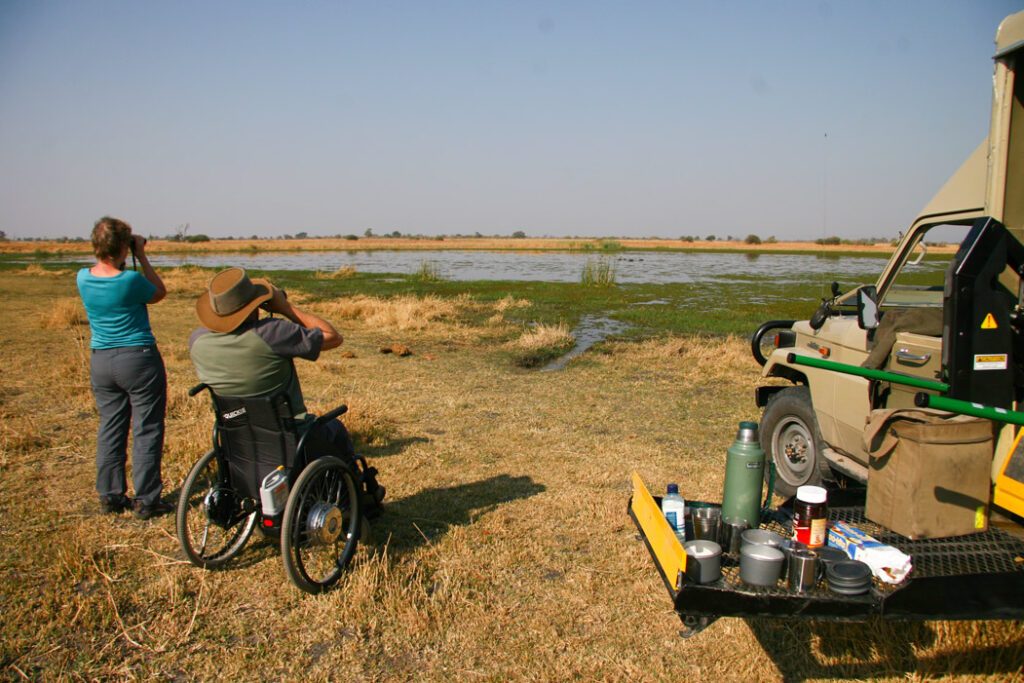
This unforgettable 13-day Kenyan adventure caters specifically to travelers with disabilities, offering a fully accessible exploration of the country's most breathtaking landscapes and wildlife.
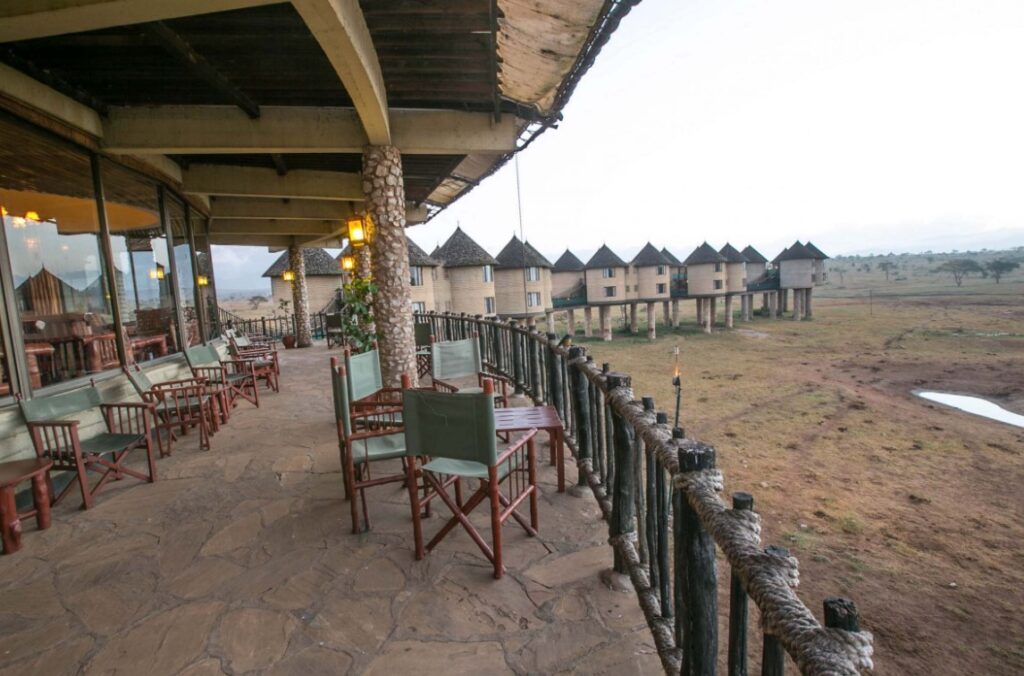
Embark on a captivating journey that blends the majesty of Kenya's wildlife with the idyllic beauty of its pristine beaches. This unforgettable Amboseli safari and...
This exciting 6-day Kenyan adventure is designed specifically for travelers with disabilities, offering a fully accessible exploration of some of the country's most breathtaking national...
This unforgettable 9-day Kenyan adventure is specifically designed for travelers with disabilities, offering a fully accessible exploration of the country's most breathtaking wildlife destinations.
This unforgettable 7-day adventure takes you to Kenya's most popular wildlife destinations, showcasing the country's diverse and magnificent animal kingdom.
Posted on Steve RVerified Could not have been better!! We arrived in Nairobi confused and not really sure what to expect but were met at the airport by Eunice who had organised a driver to take us to our accommodation and proceeded over the next day until we stated our Safari to assist us better than we could ever have hoped. Eunice got us to our Yellow Fever injections, which were a fraction of the cost in the UK, helped us occupy our day in Nairobi and, most importantly, organised our Safari guide for Kenya, John who was incredible. The only mistake we made was organising our accommodation in Nairobi as Eunice would have definitely found us something much better! Our Africa experience could not have got off to a better start and that was thanks to Eunice and Umani Bliss Safari's and we could not be more grateful.Posted on dionne eVerified Loved the Motherland!! First of all, the host is really great. We were an hour and a half away from the meet up spot and she helped me arrange a ride in Diani. Once there the driver explained the whole history of all the sites along the way. It was very very enlightening and taught us about the culture. So I read the reviews myself before booking. i was kind of leery because it said I wouldn't see dolphins. I didn't but I understand. It's not like it's a contained space you're literally out in the ocean. It's actually a marina park where you hope to see dolphins. And there's so many boats they probably scare them away. But overall, the excursion was good. I'd get on a bigger boat next time my husband got seasick, but we had the boat ride although the waters were chilly there was great because Unfortunately, the boat ride was somewhat choppy. My husband got seasick. But I enjoyed the snorkeling. One person elected to go diving she had never been in the guy who taught her and went out with her was excellent. The guide on our boat was excellent. Helped everybody in the water when snorkeling he helped take pictures of me. Overall it was a good experience. I will say don't pay for the shrimp and crab when you get on the island there itty-bitty. But the island folks are very Welcoming. The food was pretty good. Be careful going back down to the boat. Make sure to wear water shoes.Posted on Klaus MVerified The best travle agency for Kenya and Tanzania Umani Bliss Safaris, made the best experiance for our family, including our kids 3 and 10 years old. We had a warm welcoming at the airport in Nairobi, with an amazing information about our trip. Feeling so seen, and serious of everything. Made the most fantastic trip from Nairobi to Naivasha for two days, back to Nairobi and a 5 hour drive to Masai Mara for 5 days enjoying all aspects of the most amazing safari including 5 star service all the way. We will be back for great adventures at Mombasa / Lamu and Diani this winter, Next year we have booked our trip also to Tanzania and Zanzibar for a great beach vacation. I will at all times recommend Umani Bliss Safaris for all imanigable trips in Kenya and Tanzania The best travle and most professional agency in my opinion. Best regards Klaus Malmgren
Travel Further For Unforgettable Experiences.